Lasting light
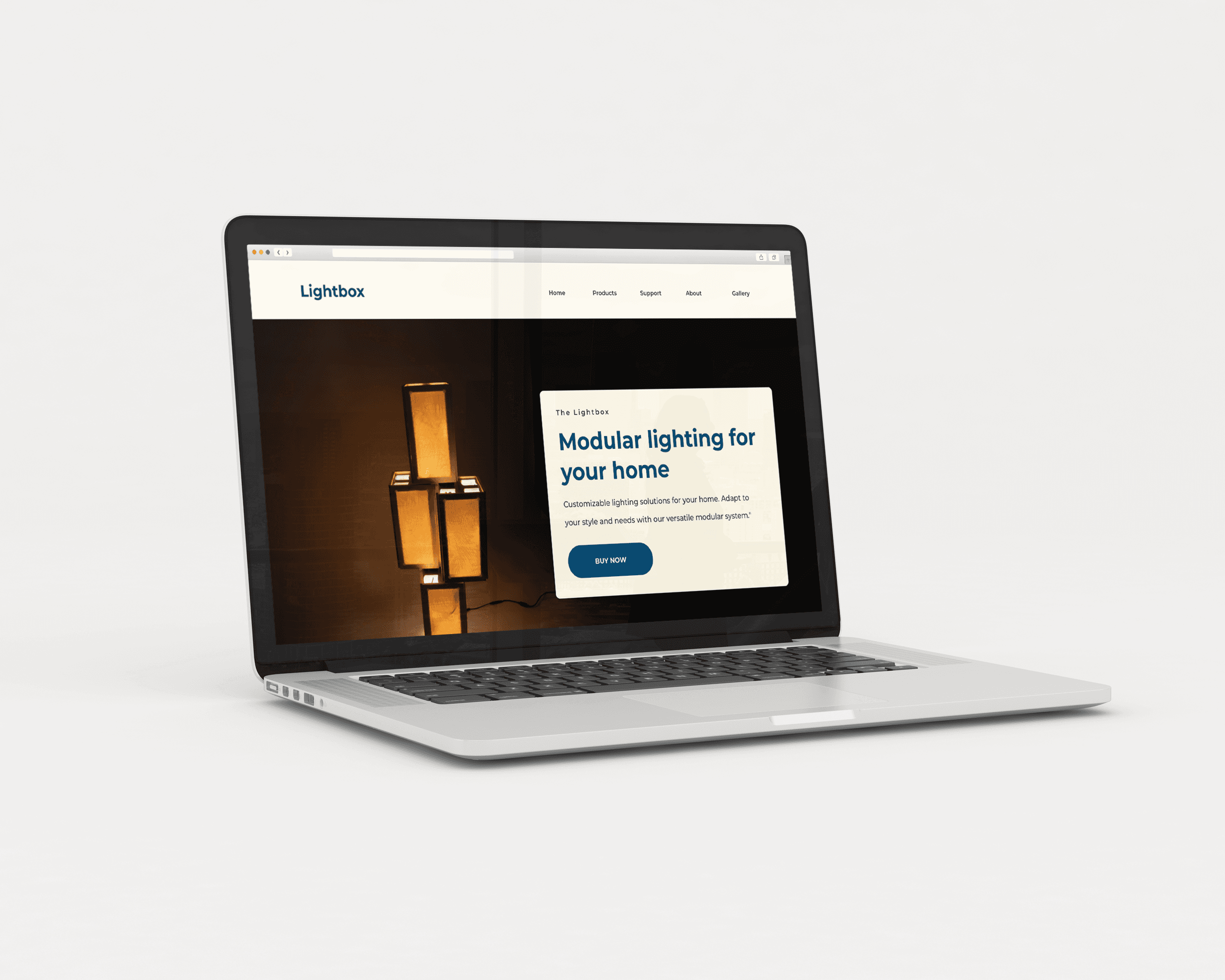
Explore a holistic approach to design, combining a modular lighting product with a dedicated service system for sustainability. An app that supports users in repair, maintenance, and responsible disposal, ensuring long-lasting value and reducing waste.
Henning Nygaard
About
Contact
Context
The modern furniture industry often struggles with products being prematurely discarded due to evolving trends, lack of repairability, or diminished emotional connection with users. This contributes to significant waste and a culture of disposability. Addressing this challenge requires a shift in how products are designed and supported, ensuring they remain relevant, repairable, and emotionally resonant over time.
This project aimed to develop a modular lighting system supported by a comprehensive service, emphasizing sustainability and user-centered design. The primary goals were to create a product that adapts to changing user needs, promotes ease of repair through modularity, and fosters emotional attachment through thoughtful material choices like wood. By integrating service design into the development process, the project sought to demonstrate how holistic thinking can extend a product's lifespan and enhance its value to users.
Category - Service design/UX-UI/Industrial design
Client - Diploma project at AHO
Year - 2023
The project employed a holistic approach to research and concept development, focusing on identifying key service needs early in the design process. By understanding the entire journey of furniture ownership—from purchase to repair and eventual replacement—it became clear that a modular design would best support the integration of a robust service system.
This approach ensured that the product could adapt to user needs over time, allowing for customization, easy repair, and parts replacement. The research insights shaped the concept of a modular lighting system, demonstrating how product and service design can work together to create furniture that is sustainable, versatile, and emotionally resonant.
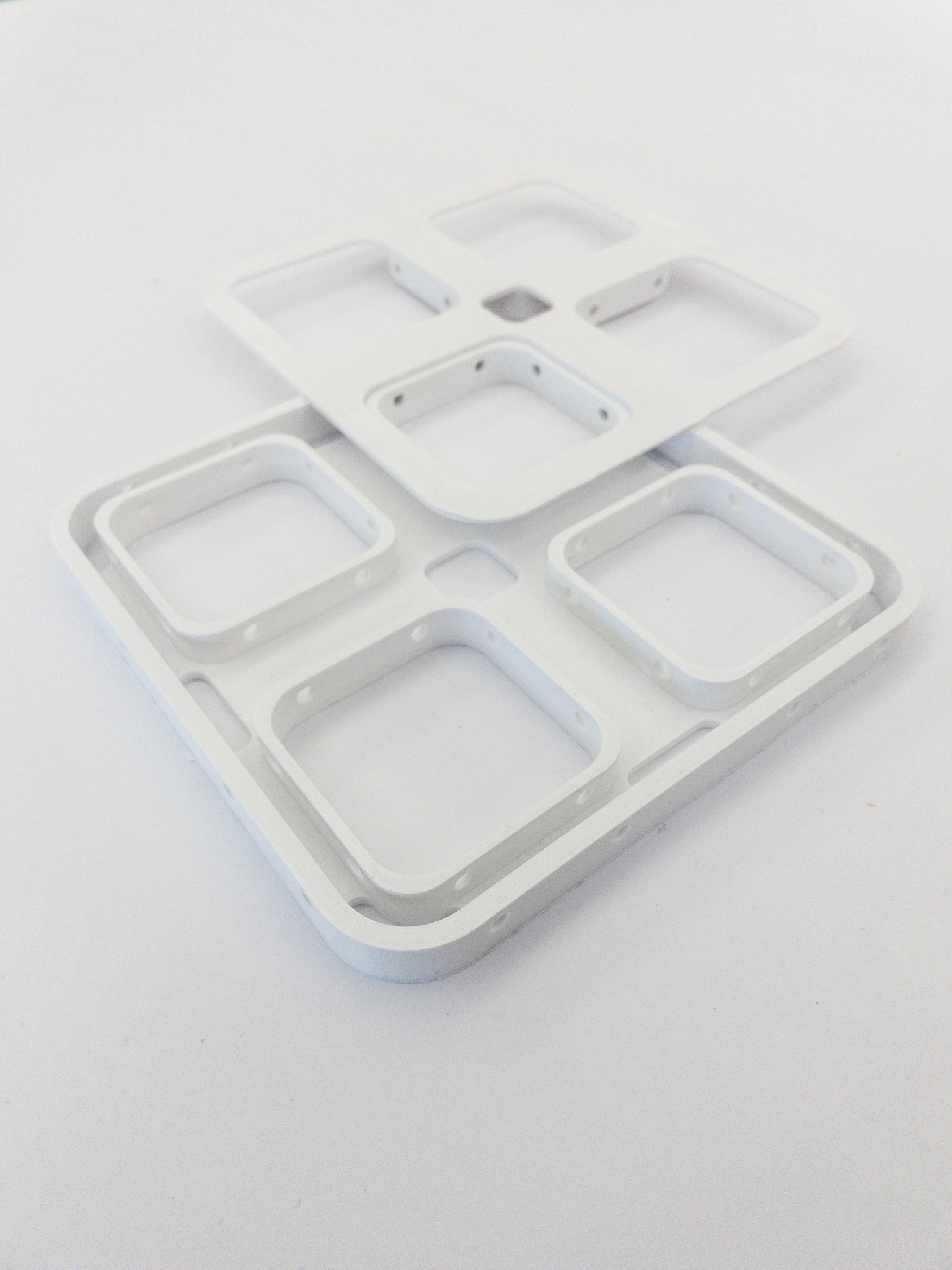
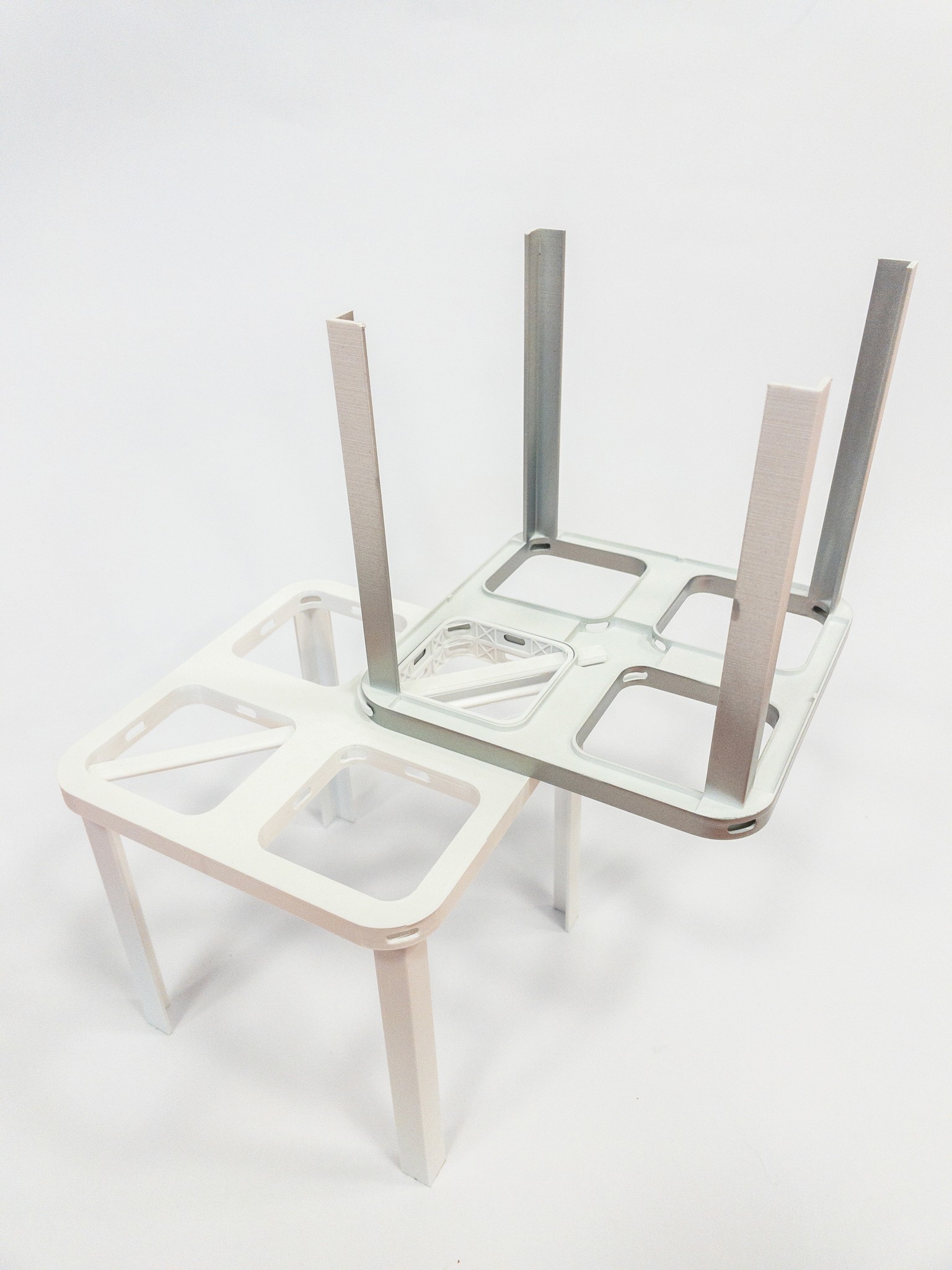
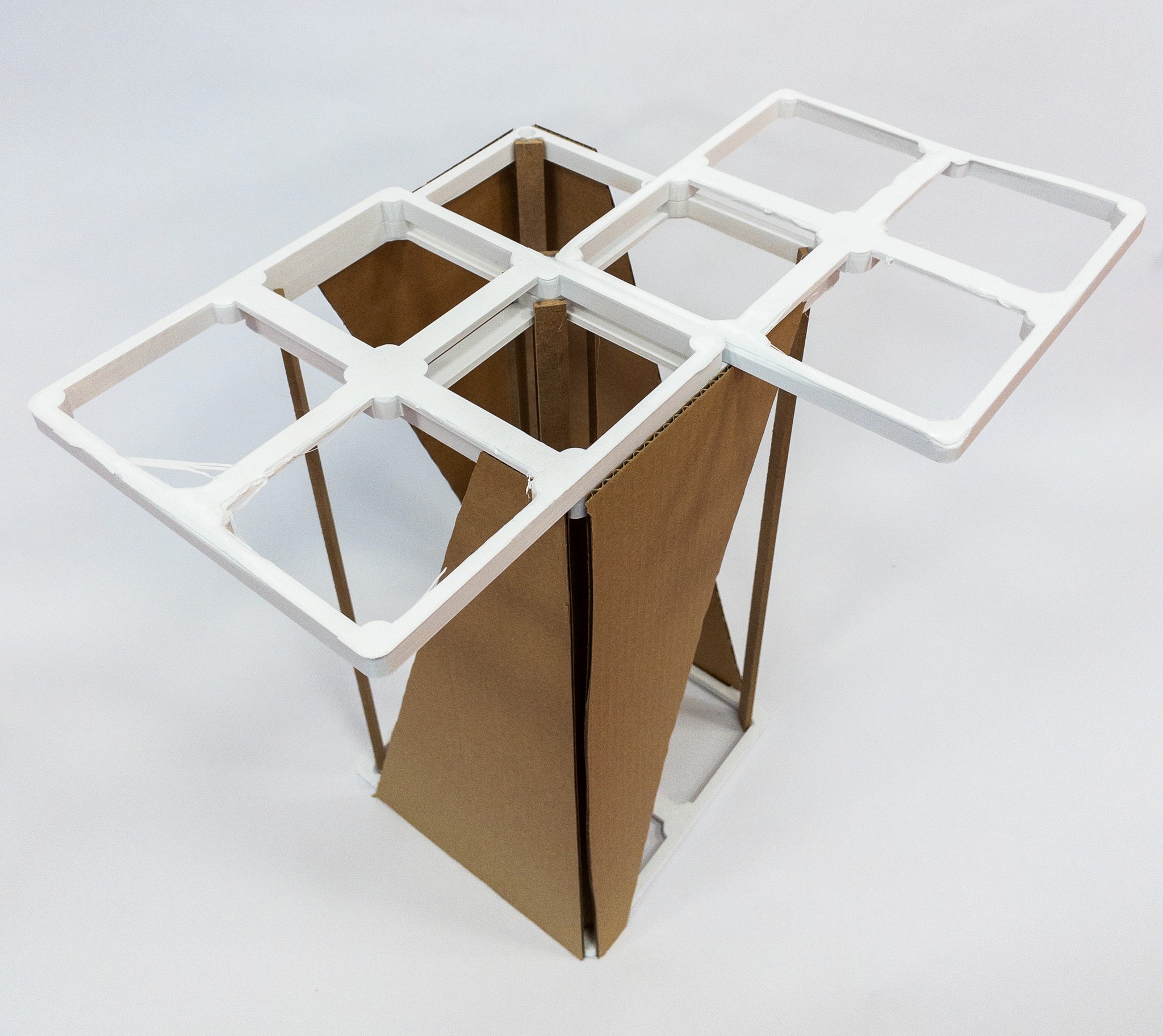
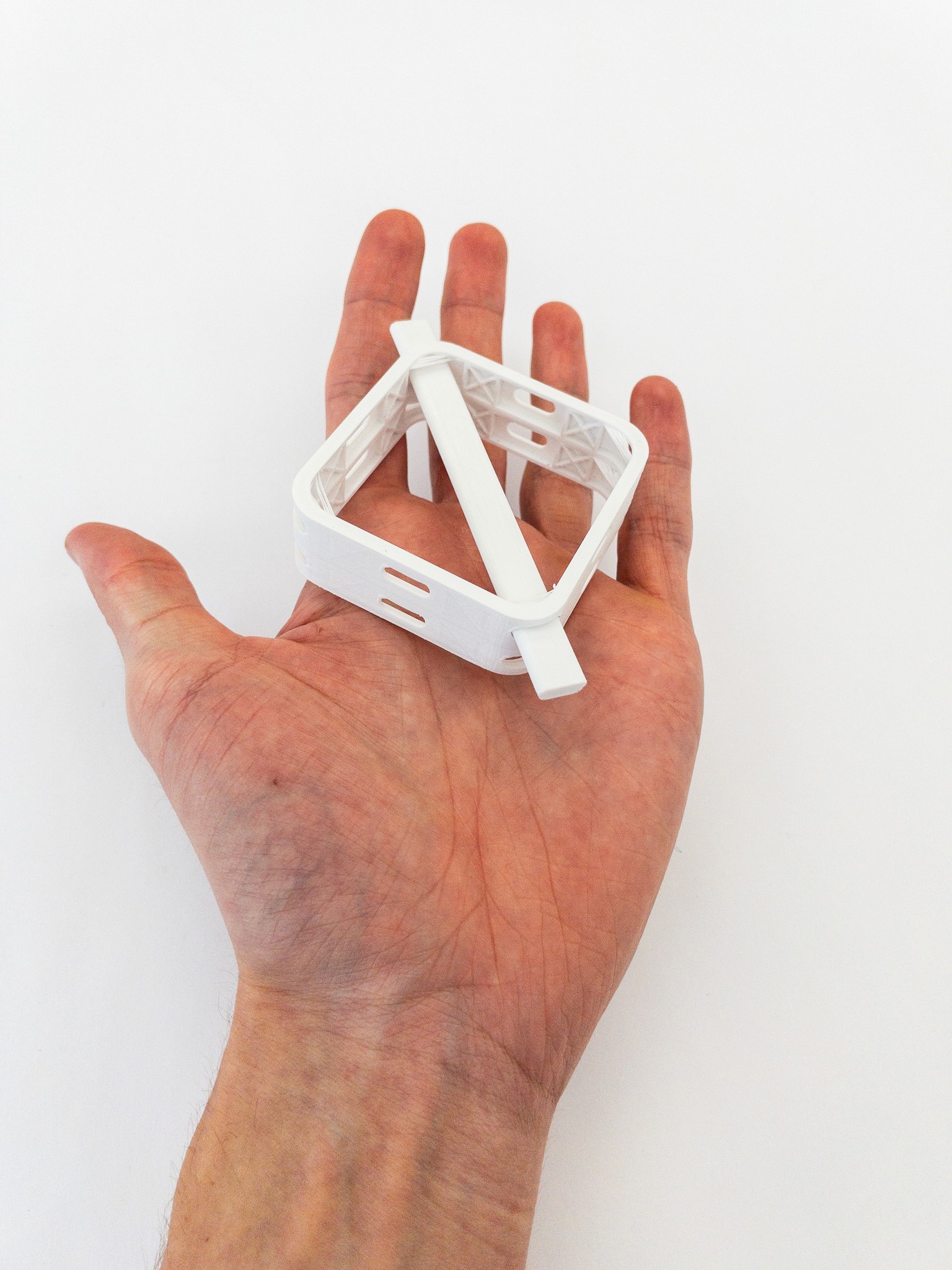
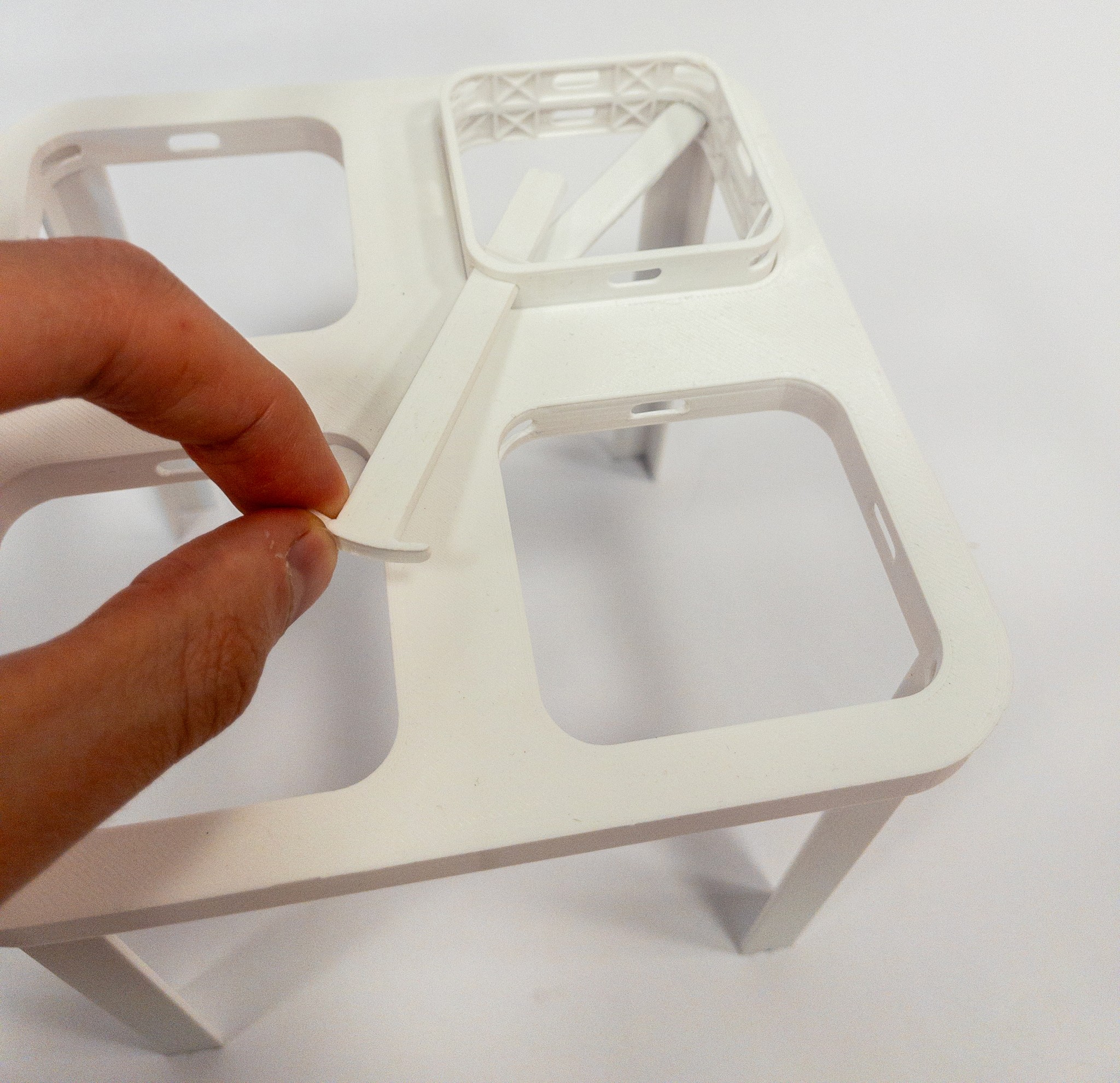
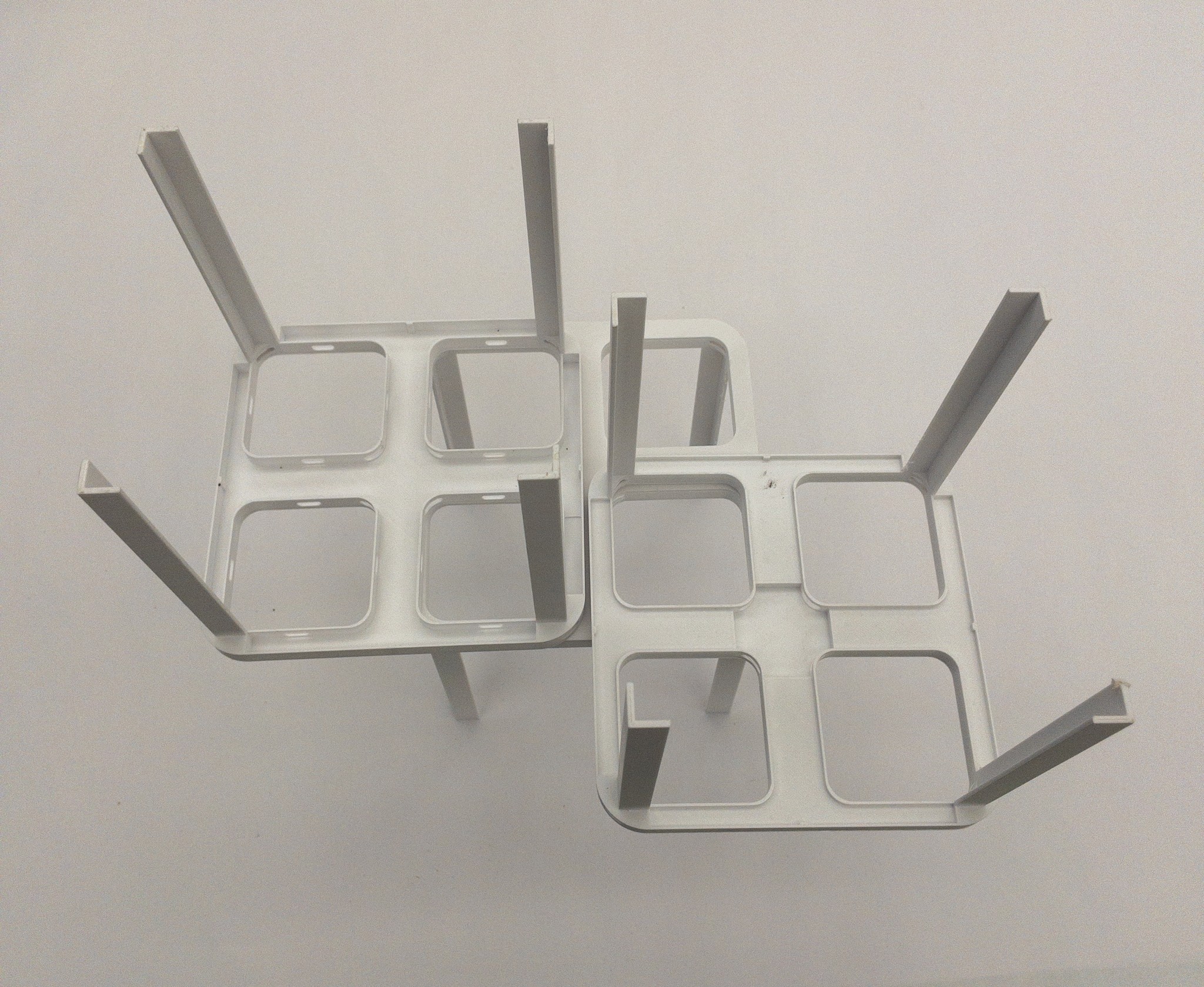
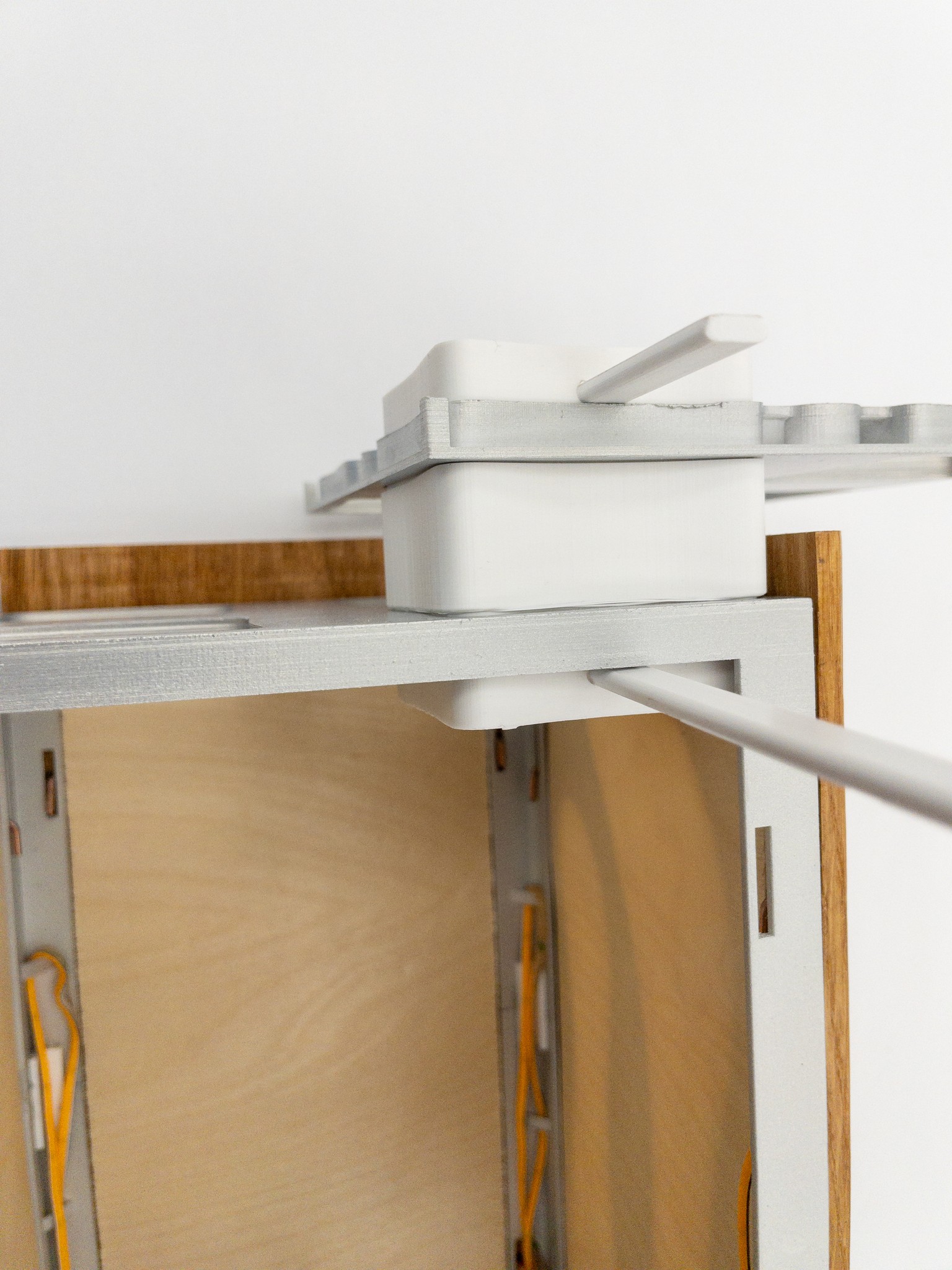
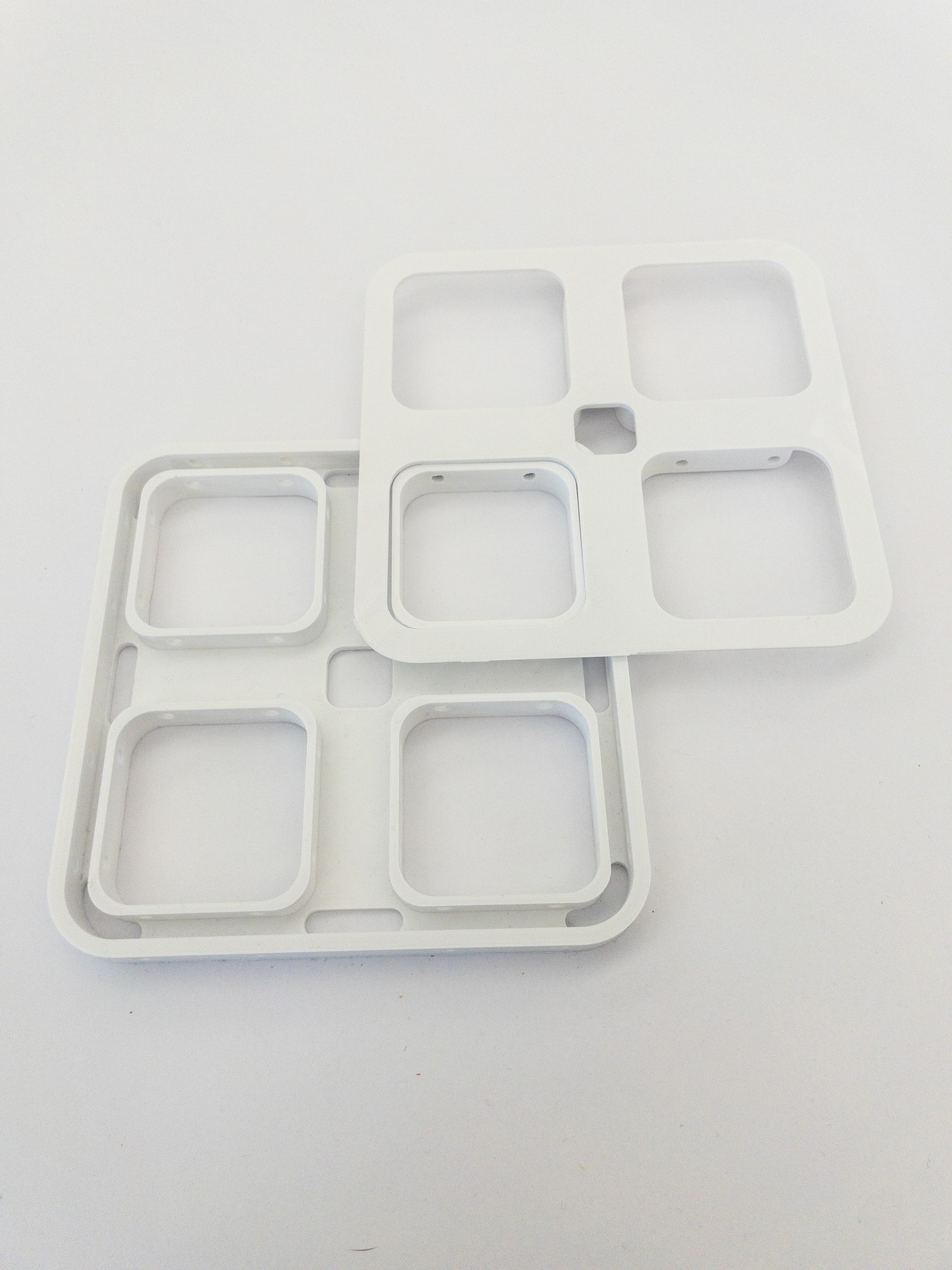
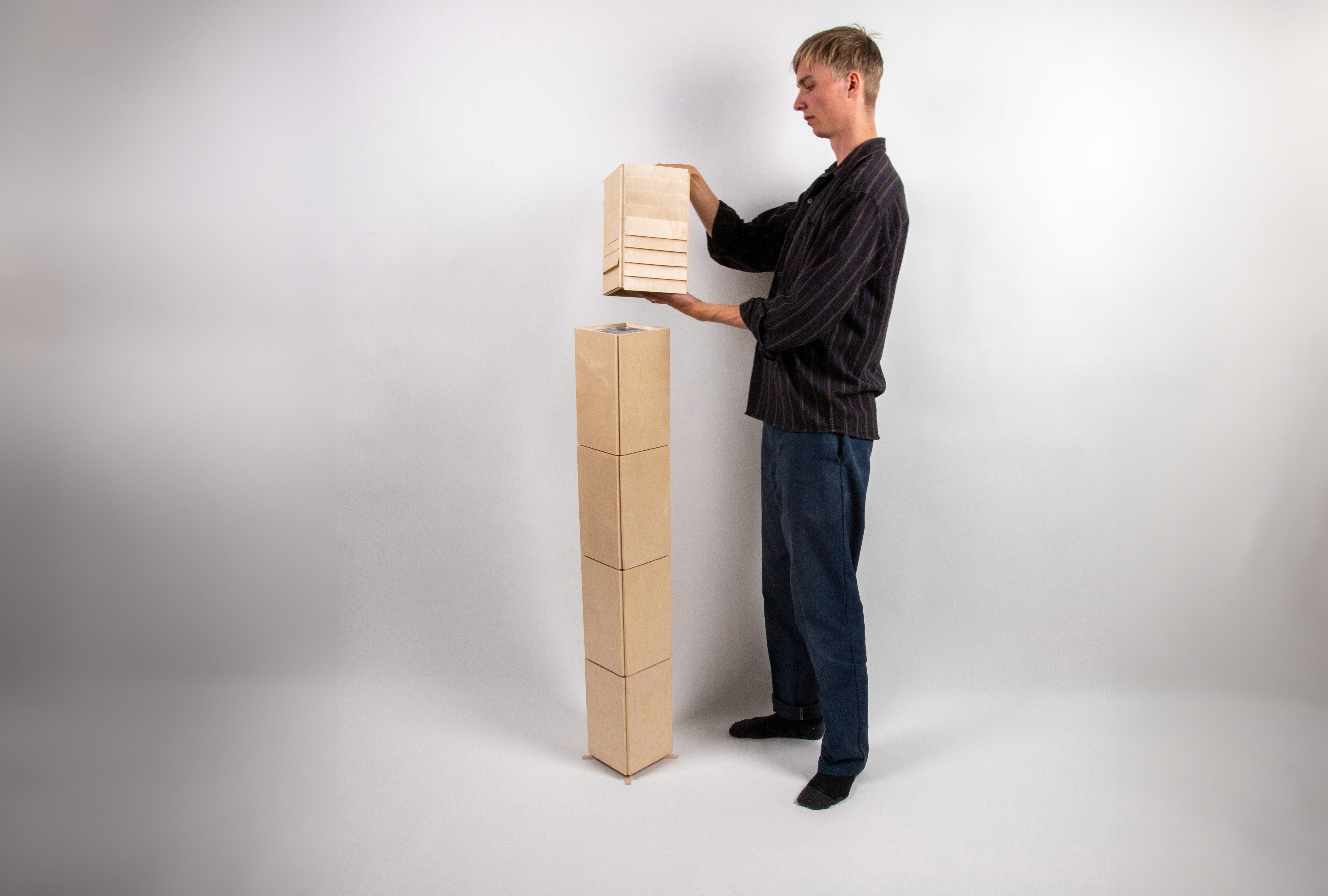
The prototyping phase involved numerous iterations, focusing on refining the modularity to ensure it worked seamlessly with minimal stress for the user. Extensive testing addressed both the physical and functional aspects of the design, including the modular connections and the electrical circuit.
Workshops conducted during this phase revealed strong interest in the modular system, as participants recognized its potential for exponential customization by adding multiple modules.
Particular attention was given to the electrical circuit, where the connector shapes were meticulously designed to ensure a single, intuitive assembly method, eliminating the possibility of errors during use. These iterative prototypes helped solidify a user-friendly and robust design.
Final product design
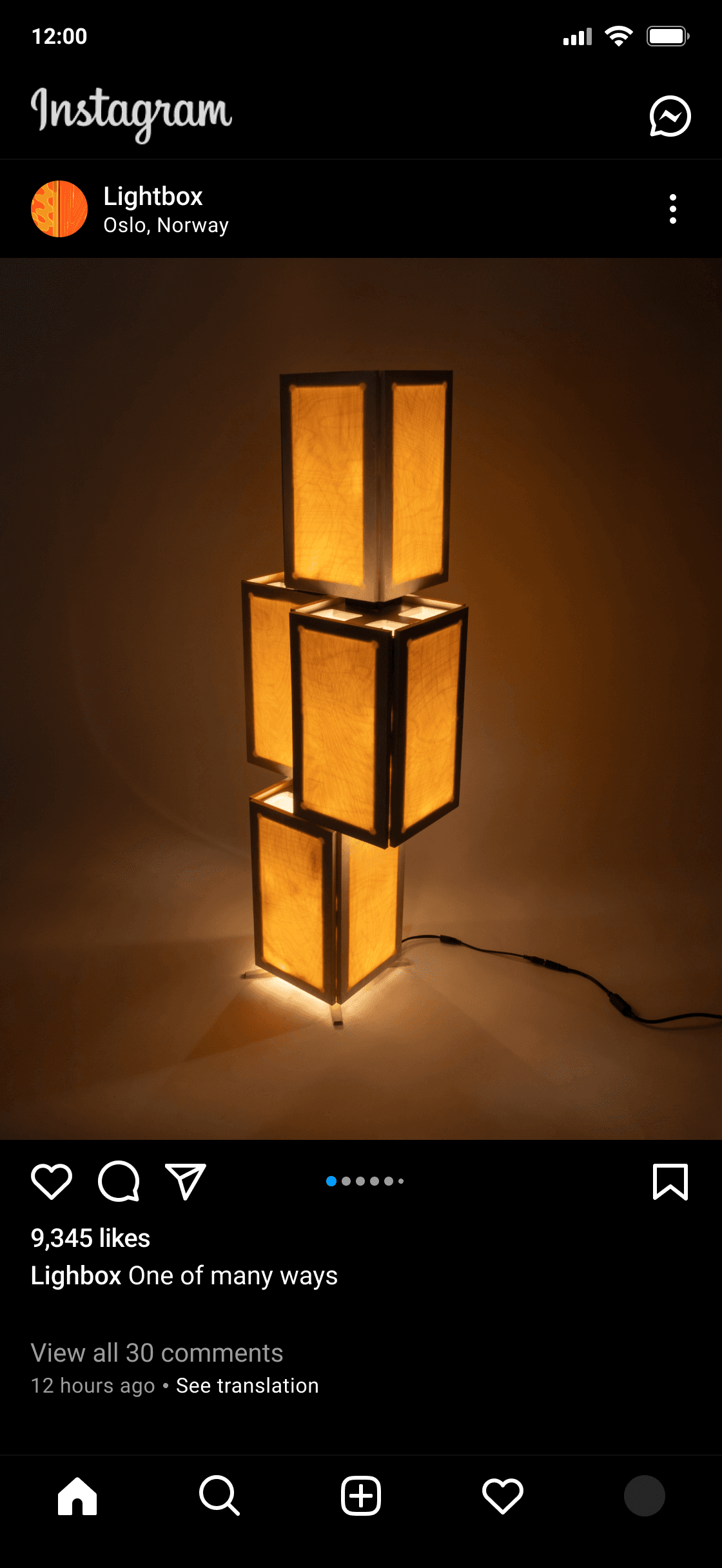
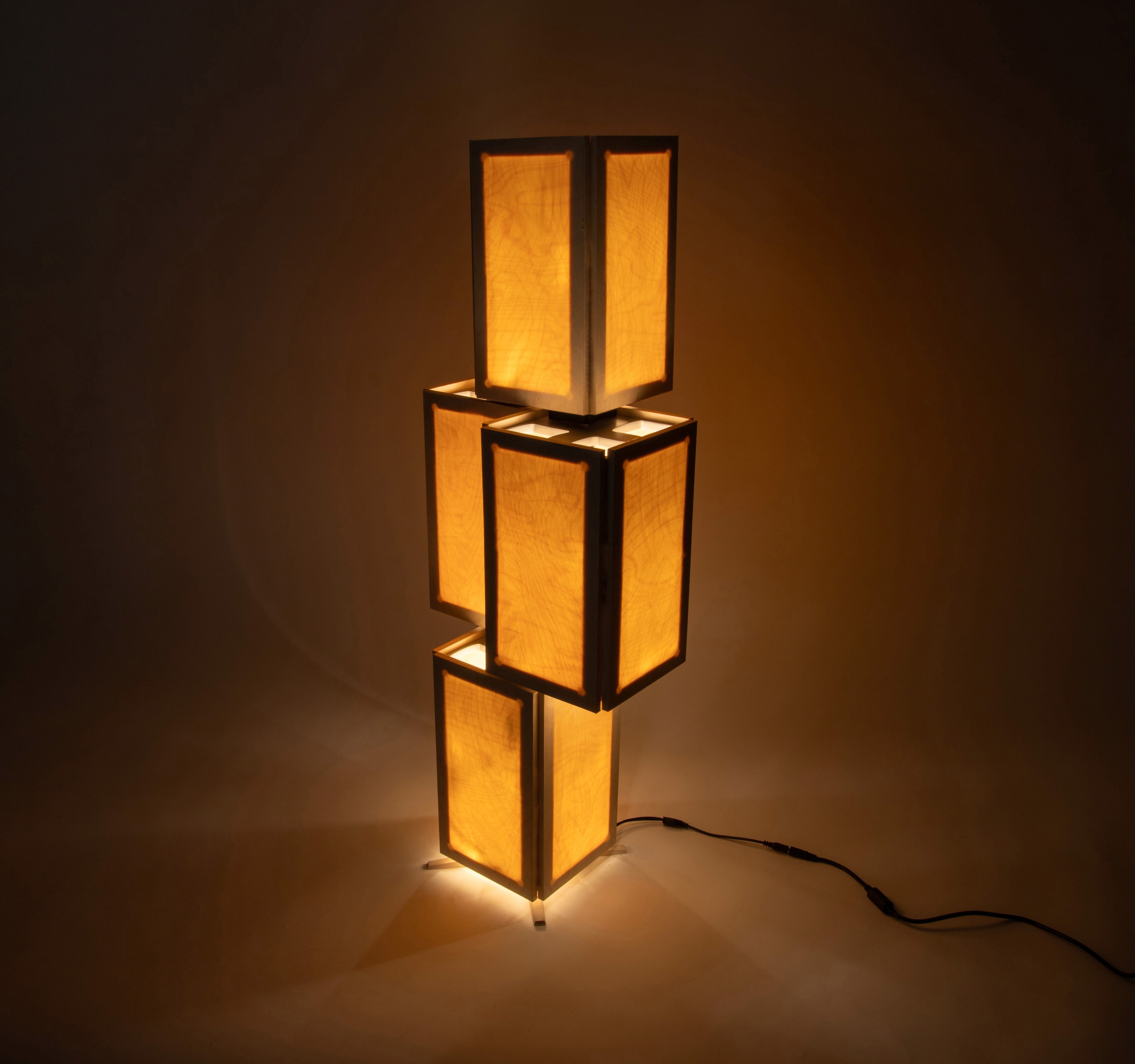
The final design features a modular lighting system crafted to balance functionality and emotional resonance. Using an LED strip ensures low heat generation, enhancing safety and durability while providing uniform illumination. The modular construction allows users to customize and expand their setup over time, adapting to changing needs and preferences. Wood, chosen for its warmth and emotional appeal, adds a natural aesthetic that complements the product’s versatility and creates a lasting connection with the user.
The open slots on the top and bottom of the design allow for external illumination when modules are placed in offset positions, enabling diverse assembly possibilities. User workshops revealed that this feature motivated experimentation with different configurations, fostering creativity, engagement, and a deeper emotional attachment to the product over time.
A dedicated service
The dedicated service is designed to address user needs throughout the product ownership journey. It provides solutions for situations such as replacing a broken part, accommodating a move, or purchasing additional modules to refresh the product. This service is essential to achieving a truly durable and long-lasting product.
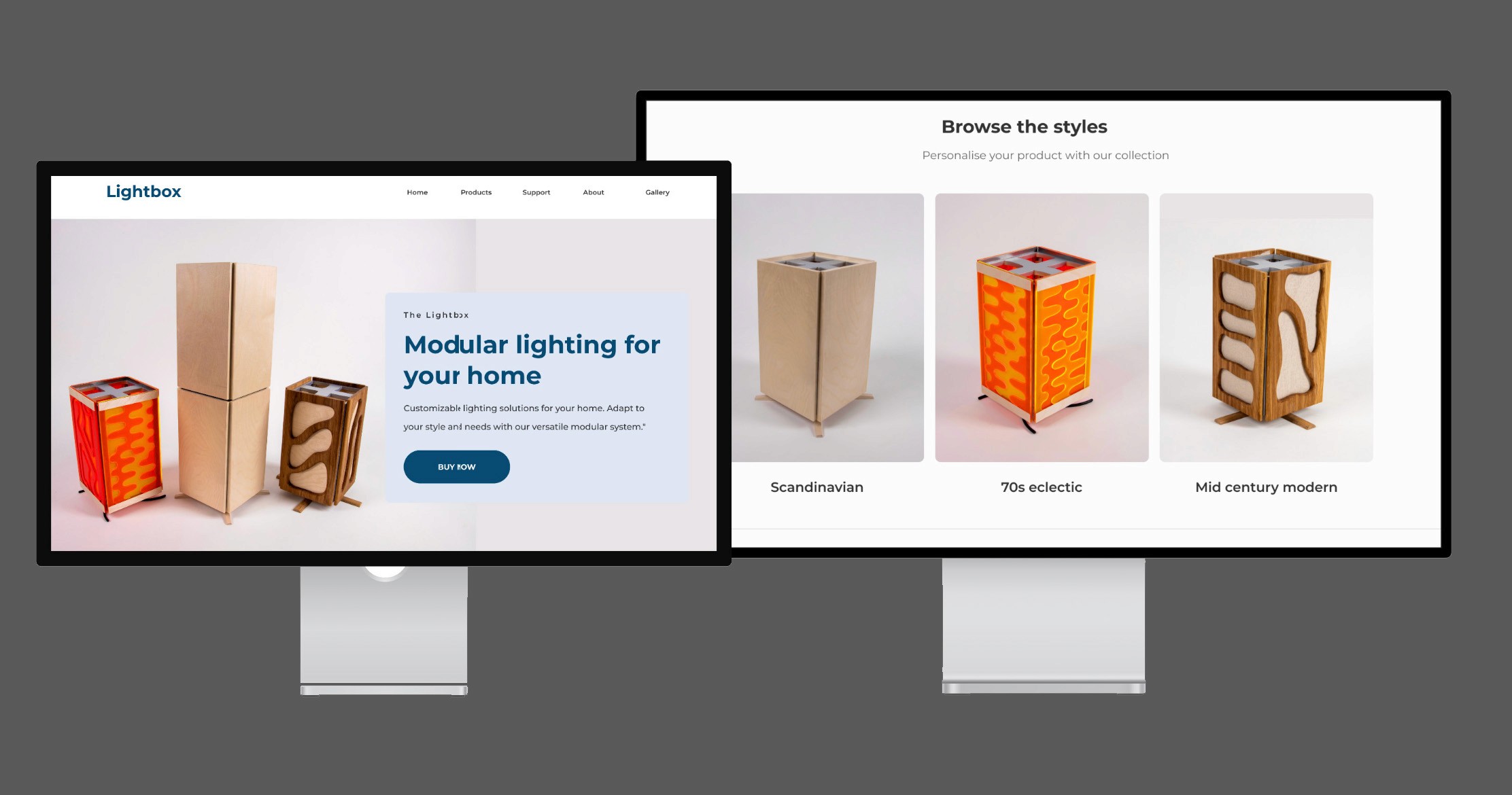
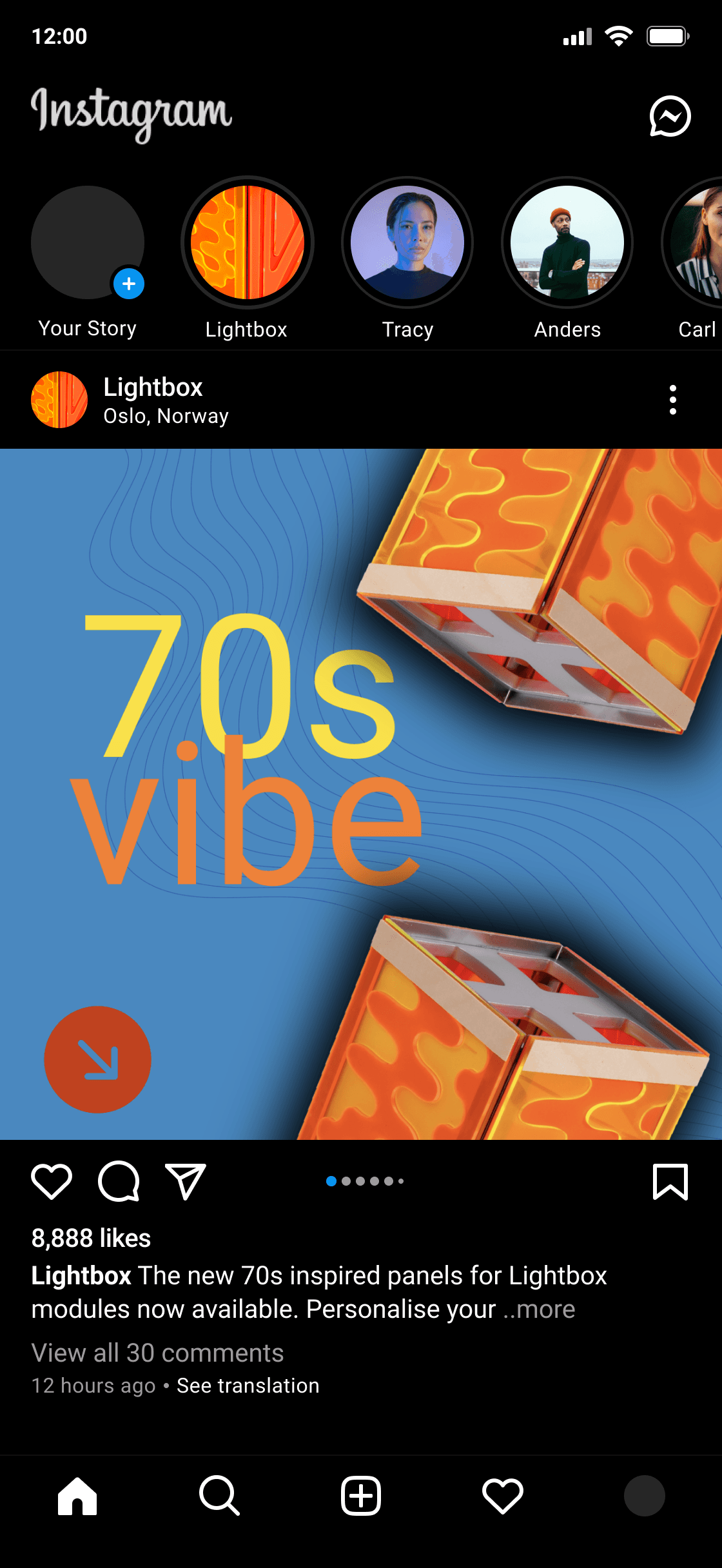
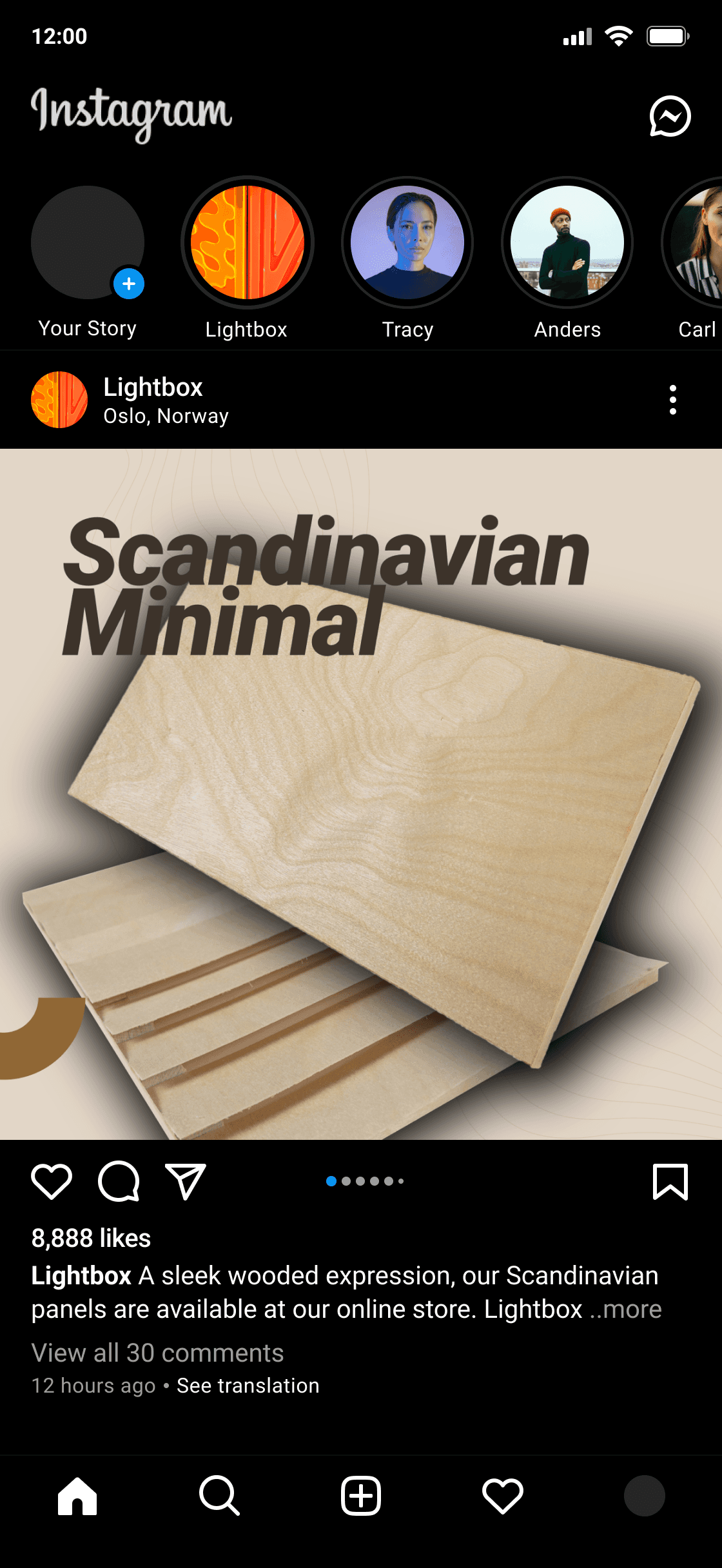
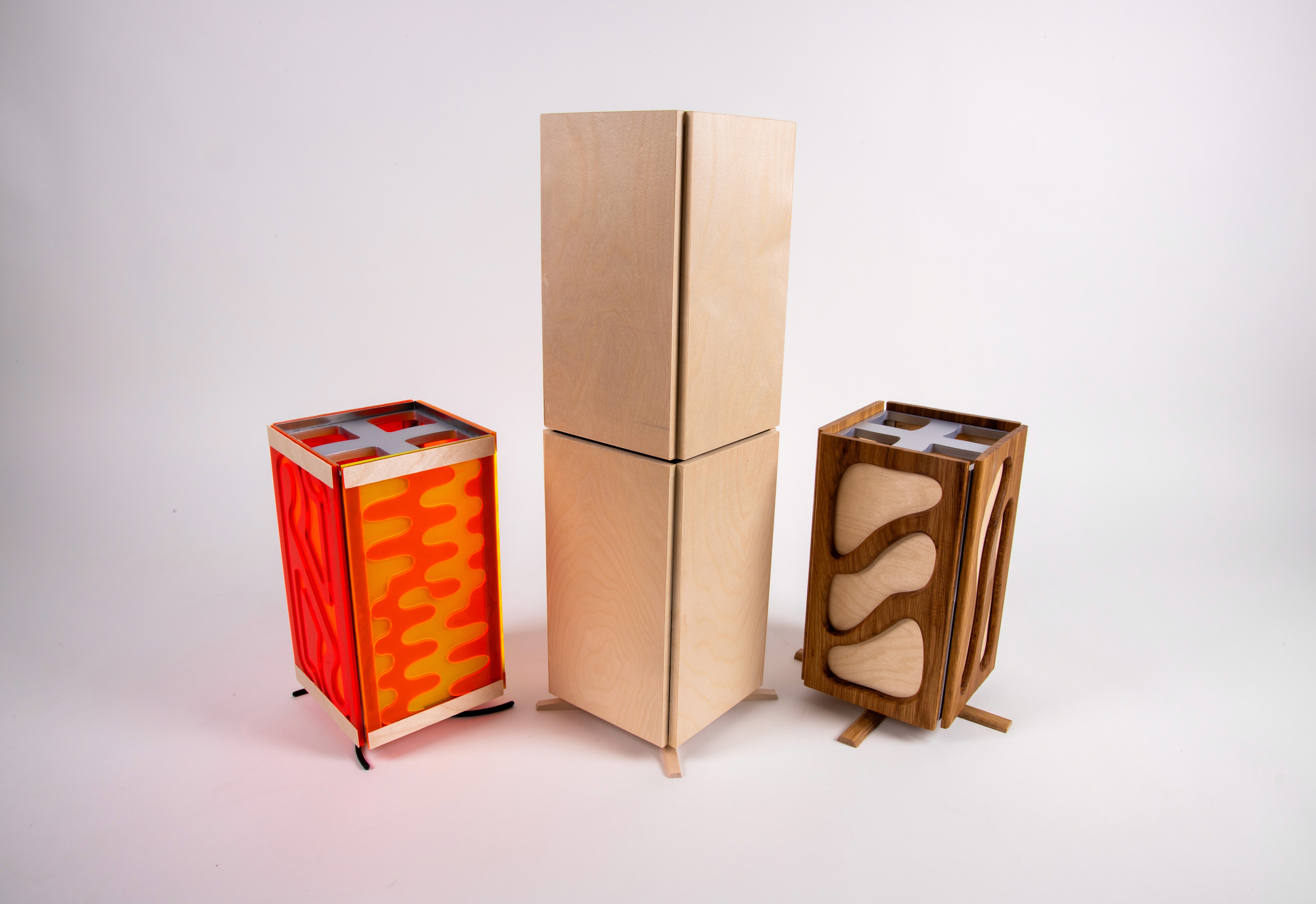
To showcase the versatility of a modular product like this, I created three distinct variants, each inspired by a specific design trend. The 70s eclectic module embraces bold colors and geometric shapes, reflecting the vibrant aesthetic of the era. The Scandinavian minimalist variant features pure pine, emphasizing simplicity and natural materials. Lastly, the Mid-Century Modern module utilizes oak wood, highlighting clean lines and organic curves. These variations demonstrate the product’s adaptability to diverse interior styles.
Reflections
Adopting a holistic approach proved invaluable in this project, emphasizing the importance of service design thinking to achieve truly durable products. By considering the broader picture and thinking systemically, I was able to map the entire journey of product ownership, identifying key moments where service interventions could prevent discard. This approach allowed the service functions to guide the physical design of the product, ensuring it was modular to facilitate repair, customization, and adaptation over time. The integration of service and product design highlights the strength of this method, creating solutions that are not only functional but also deeply aligned with user needs and sustainability goals.
Research and insights
Service & product
In addition to the physical product, this project includes a comprehensive proposal for a support service. This encompasses a dedicated service tailored specifically to the modular lighting system, as well as a broader app-based platform designed to address common user challenges in repairing, maintaining, or responsibly discarding their products.
Prototyping
Gigamap and systemic approach
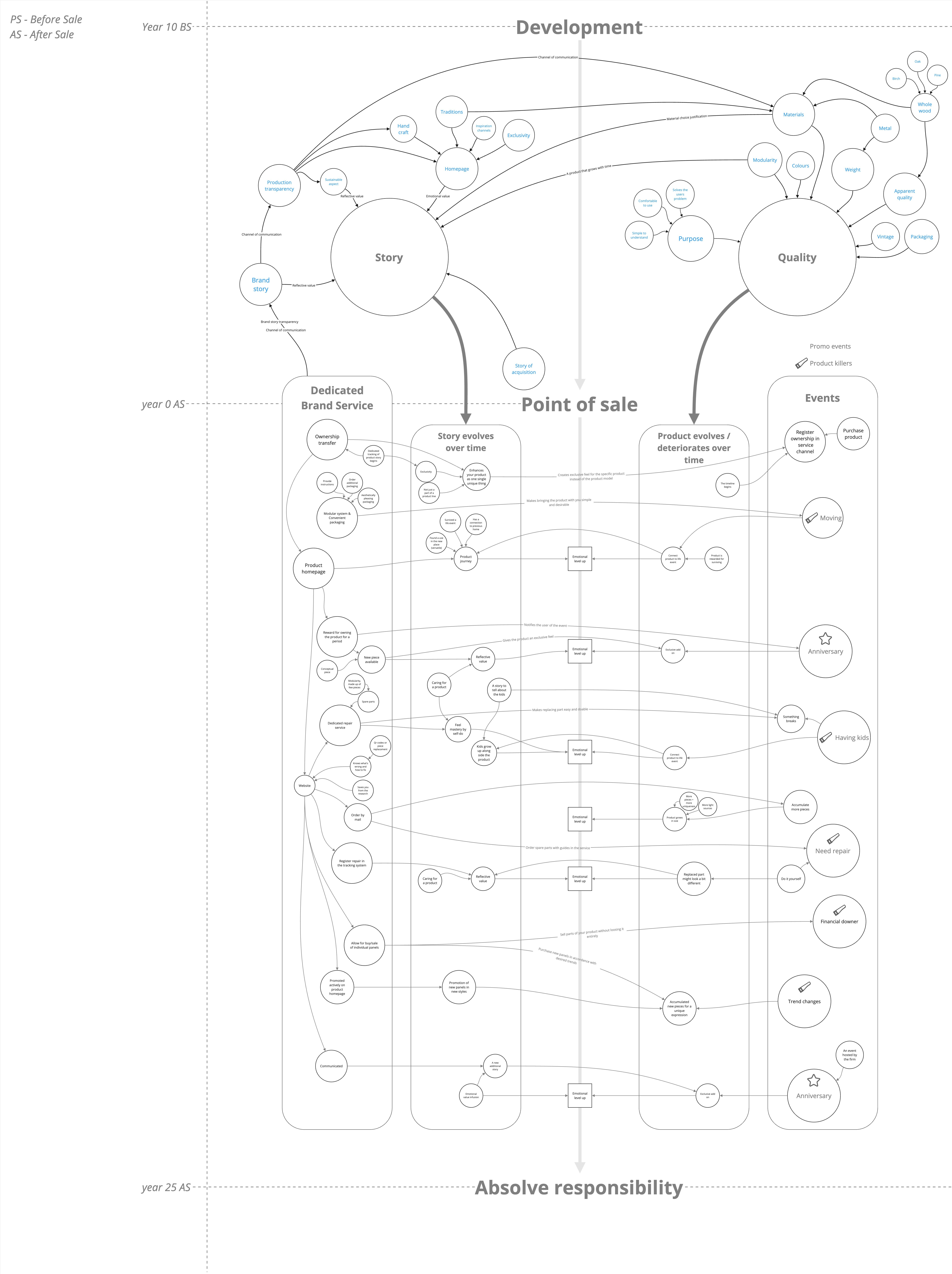
To tackle the complex issue of premature product discard, I adopted a systemic approach to the problem. By mapping out the entire journey a product takes with its owner and analyzing their evolving relationship, I identified critical moments where discard is most likely to occur. This process enabled me to pinpoint opportunities for a service to intervene and prevent unnecessary disposal. To visualize this complexity and highlight key areas for innovation, I created a detailed gigamap, offering a comprehensive overview of the problem and potential solutions.

Fiks!
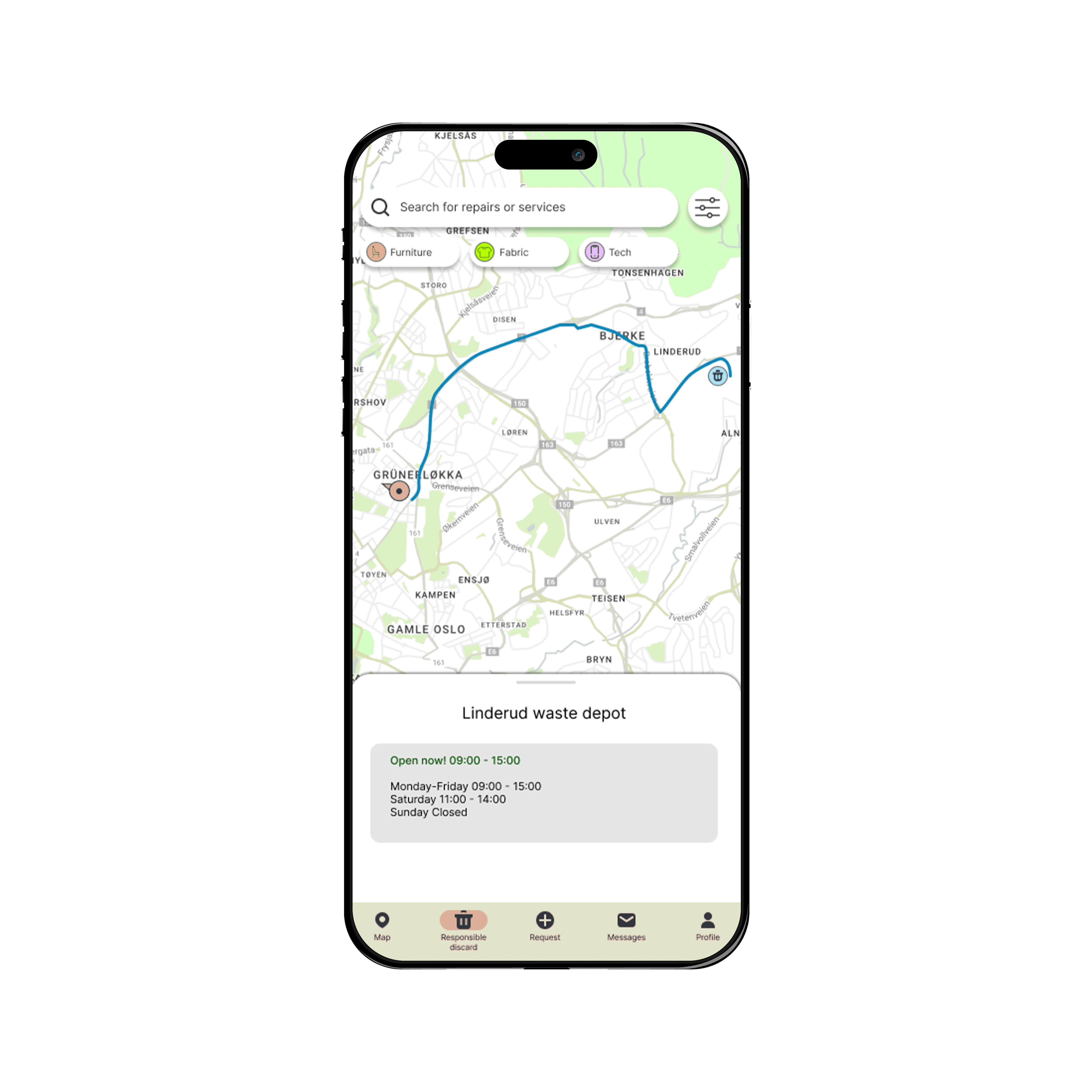
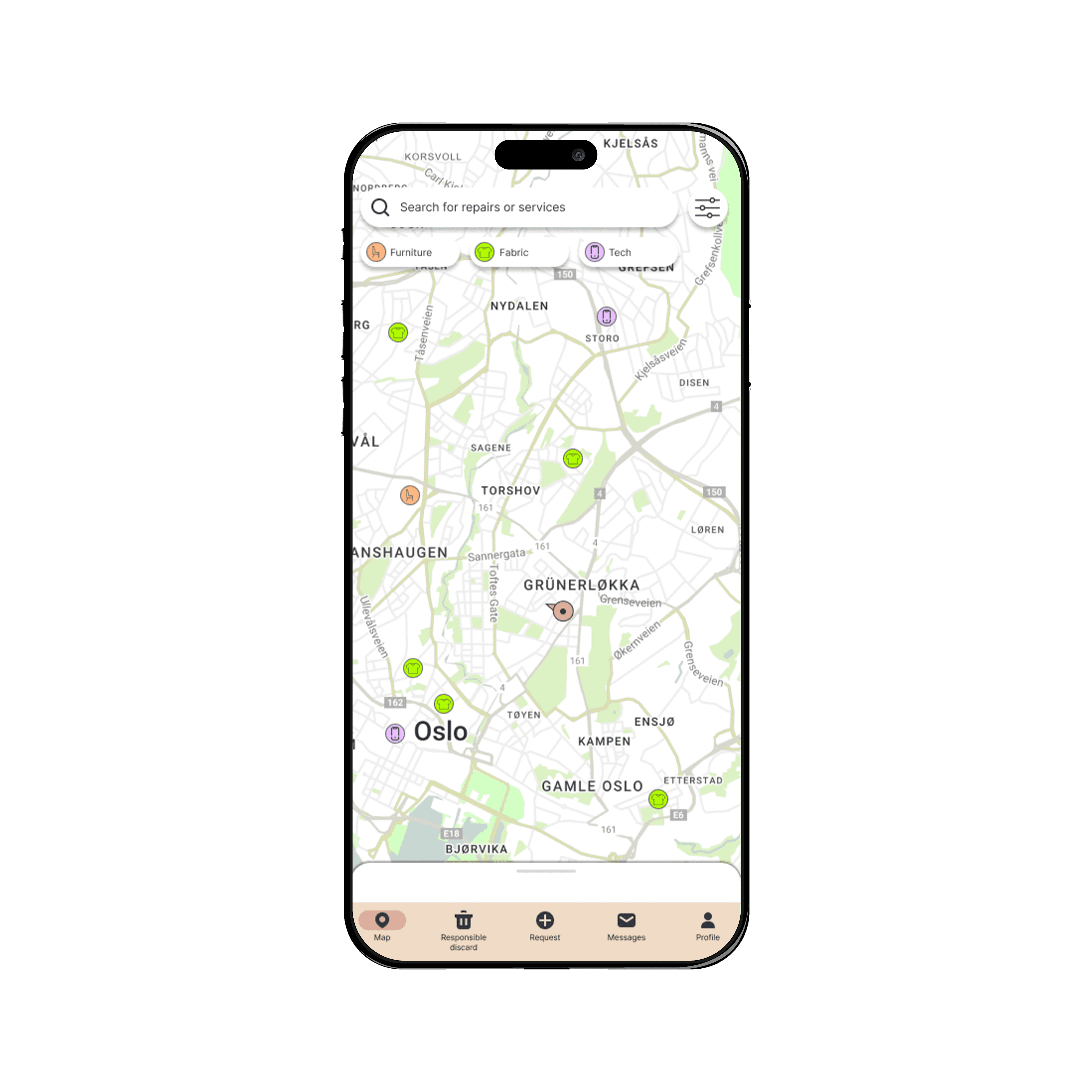
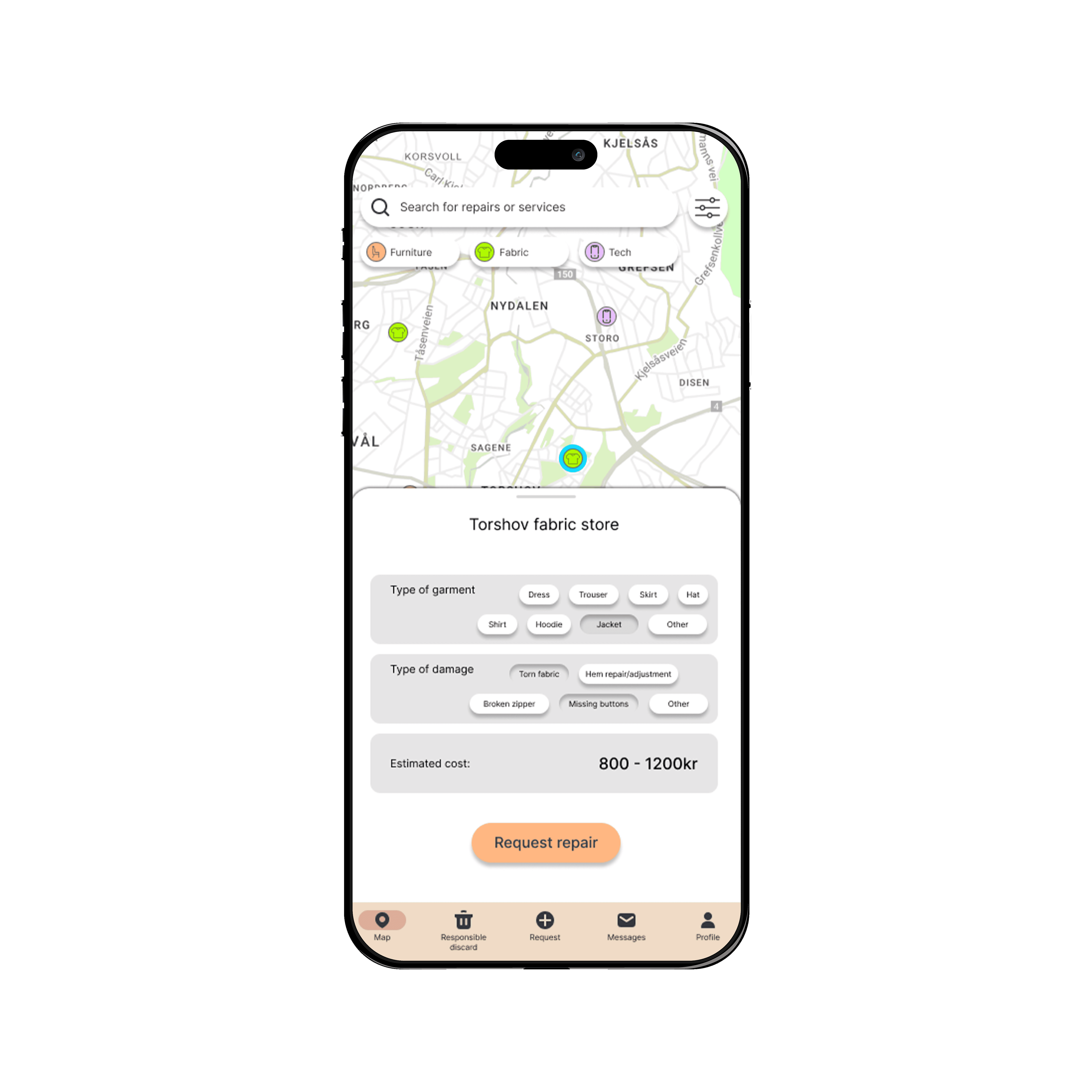
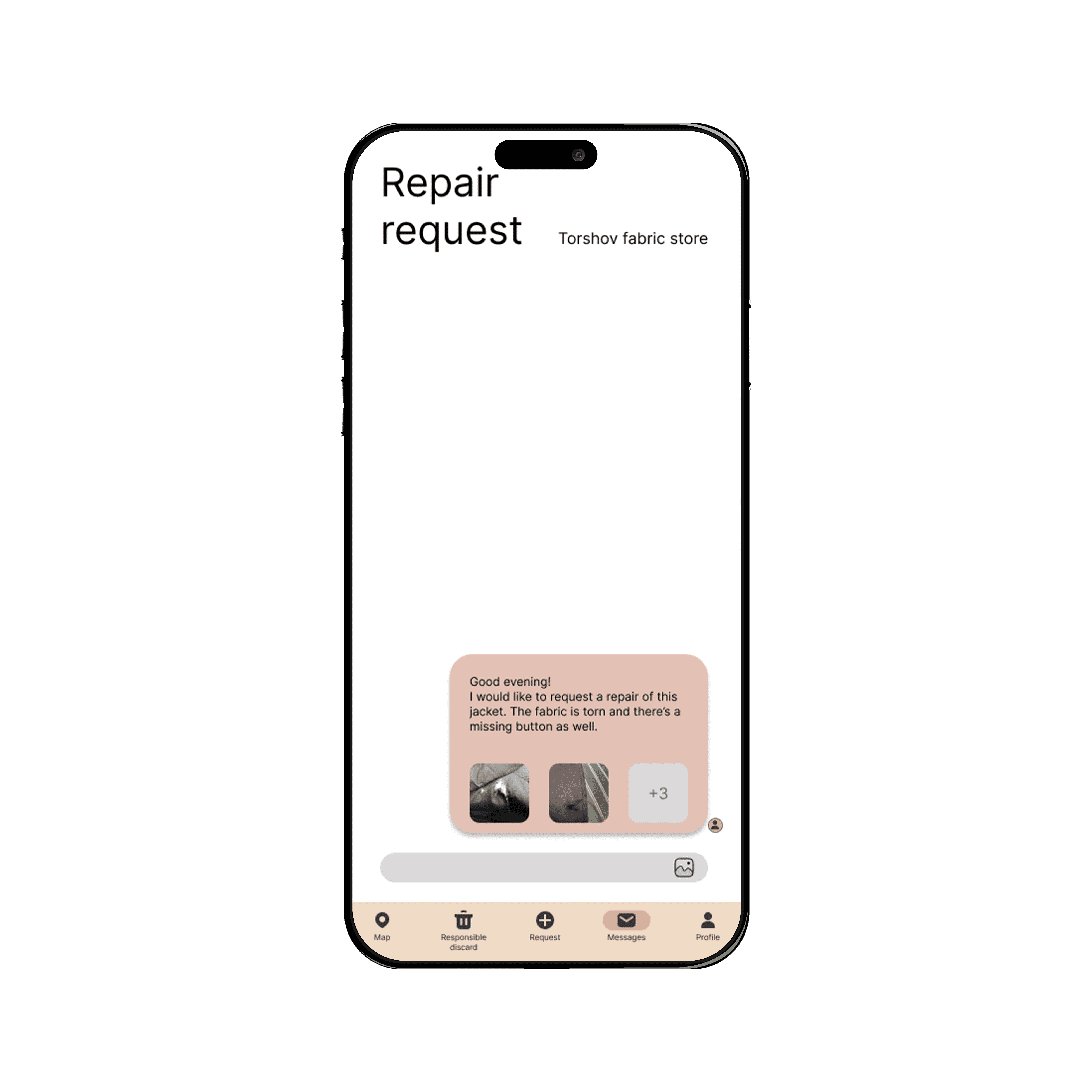
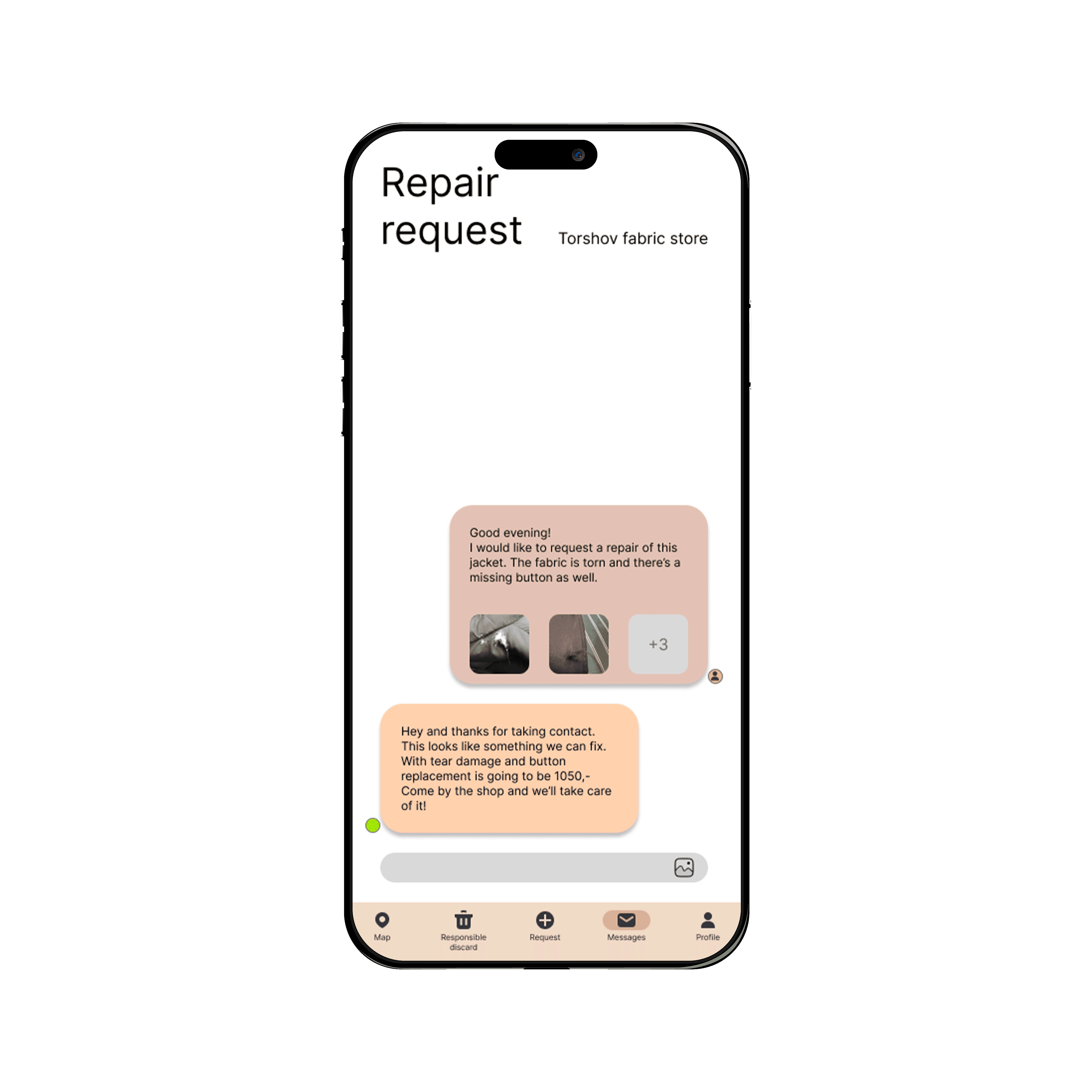
To complement the project, I developed an app prototype called Fiks!, designed to address key barriers to repair identified during research. Users frequently expressed concerns about the uncertainty of repairs—such as not knowing where to go, whether the damage could be fixed, or if the cost would be prohibitive. Fiks! connects users with repair shops in their area, offering quick price estimates to alleviate this uncertainty. The app supports repairs for clothes, furniture, and tech, ensuring accessibility across various needs. Additionally, Fiks! assists with responsible disposal, providing guidance and options for nearby waste depots, ensuring sustainability at every stage.
Scenario 2: Creating an Open Repair Request
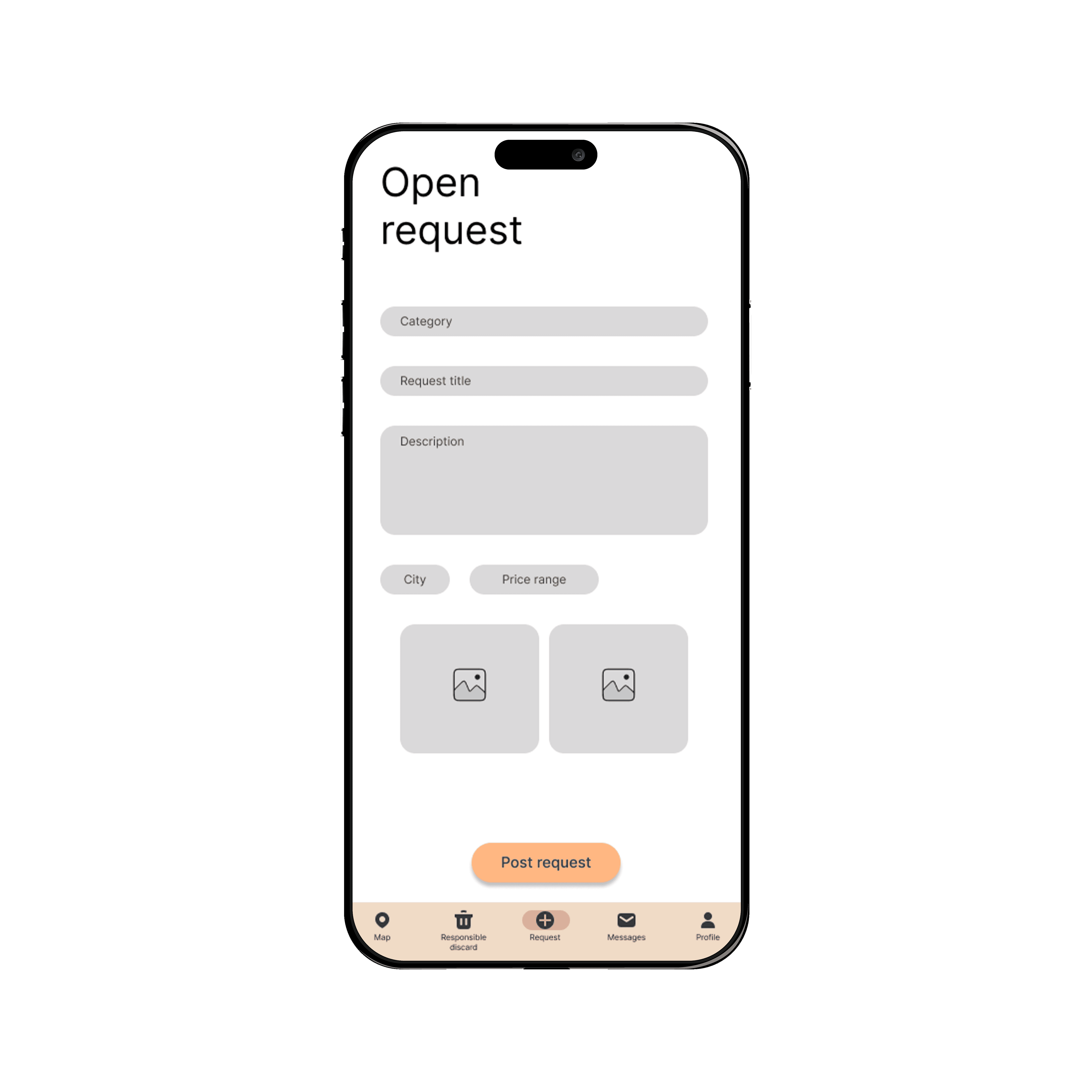
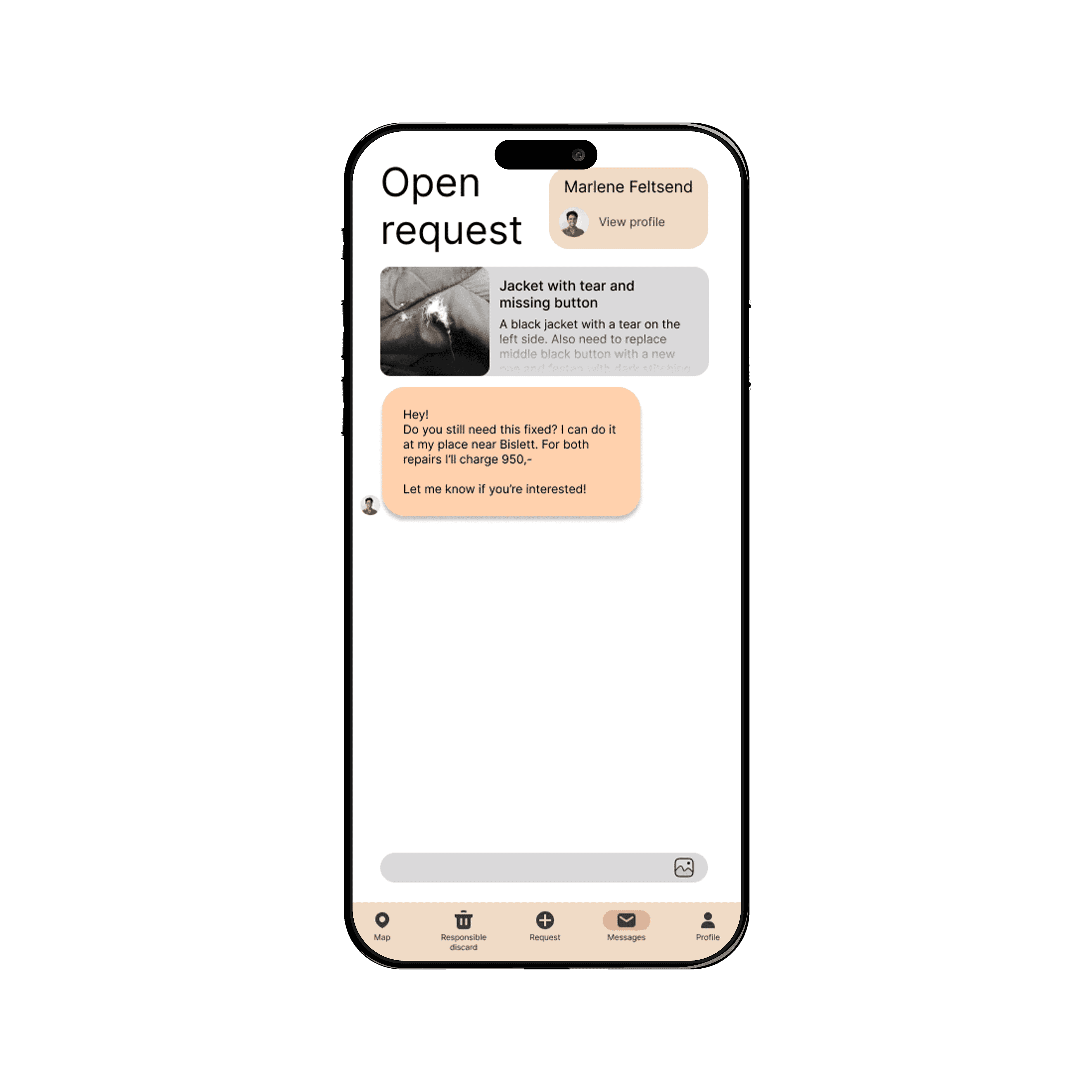
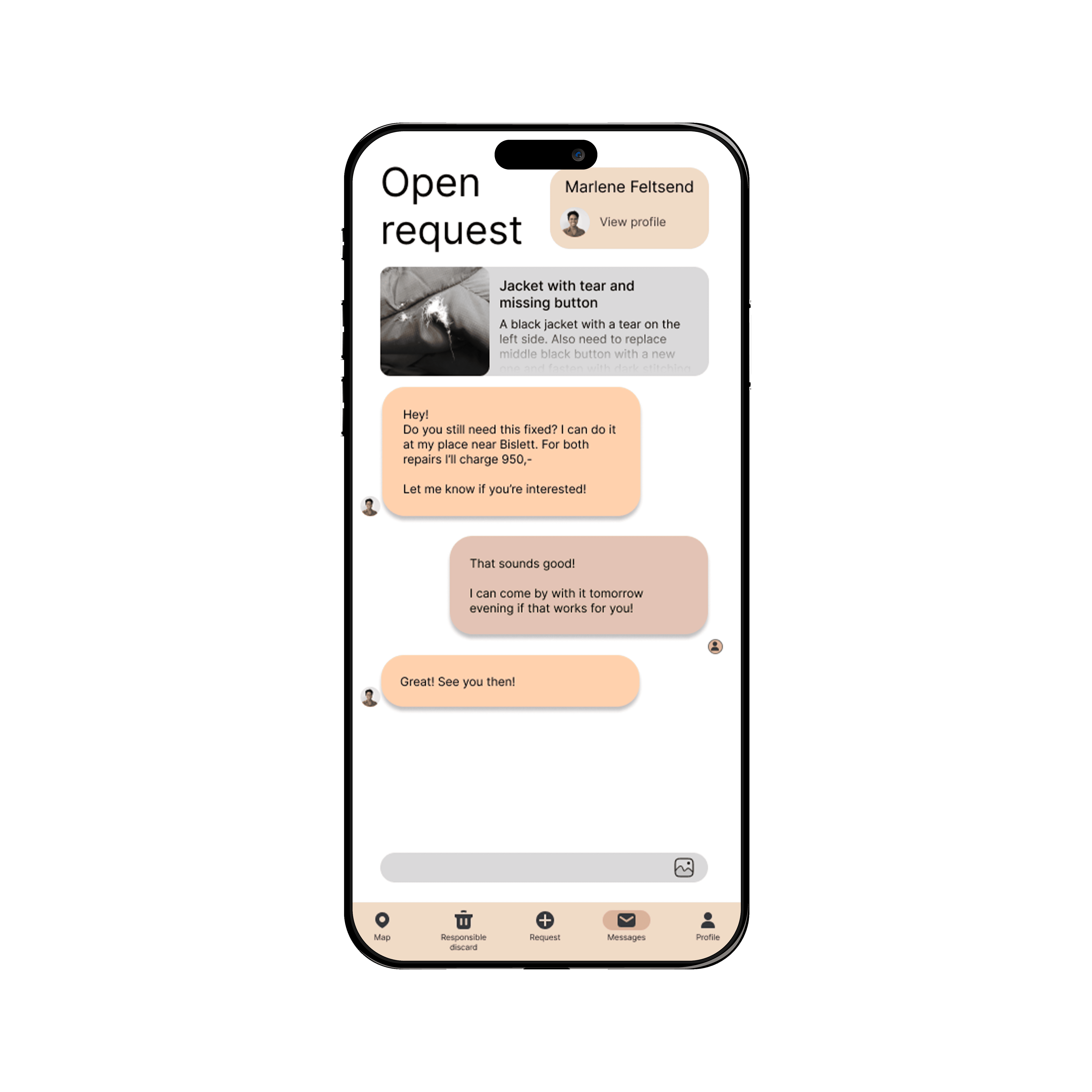
In this scenario, the user opts to create an open repair request, functioning like a public ad. They detail the damage to their jacket and specify the repair work needed, which is then posted through Fiks!. This request is visible to private individuals skilled in repairs who can browse and take on such tasks. Interested individuals can contact the user directly via the app, proposing their terms and pricing. This approach provides a flexible alternative, allowing users to connect with skilled repairers in the community.
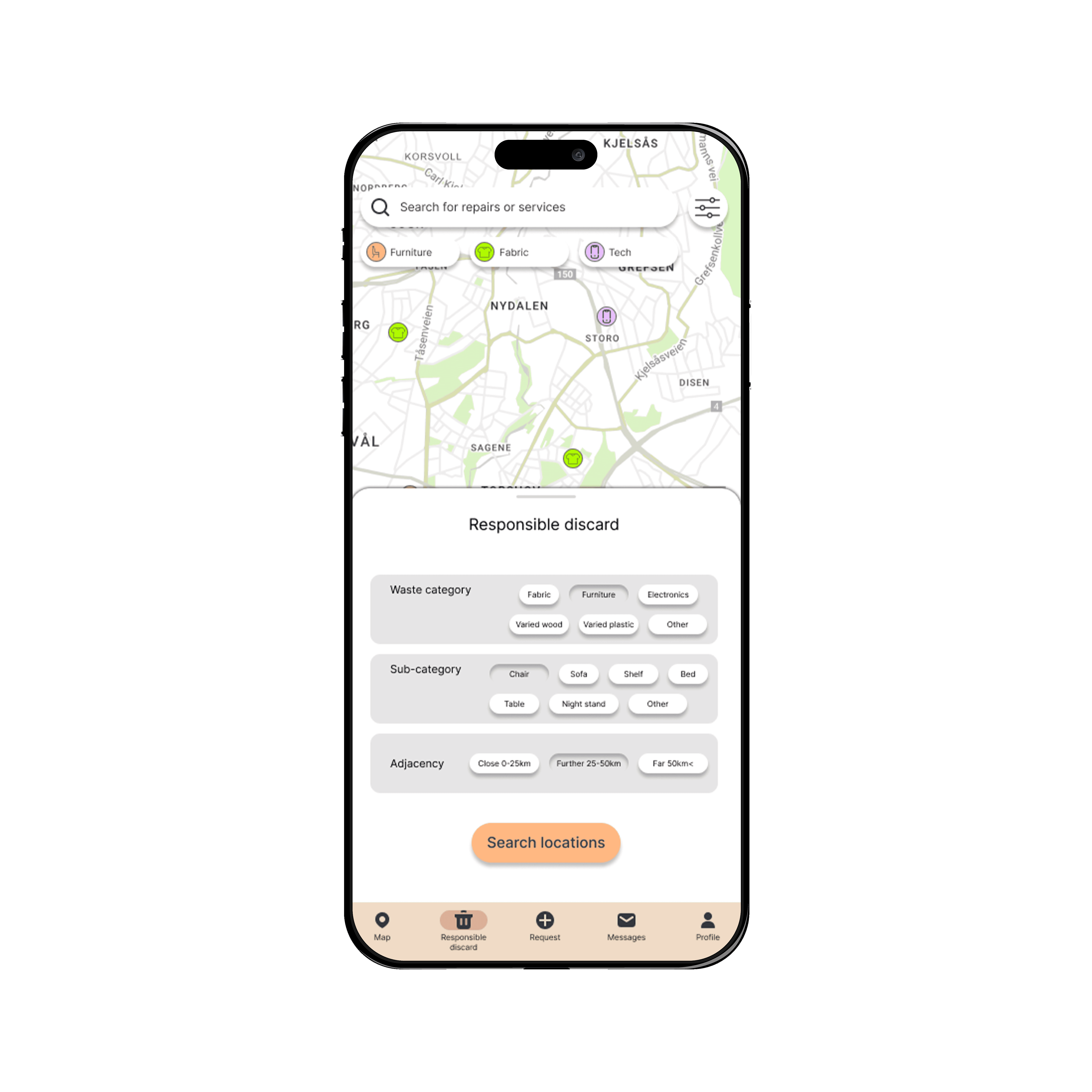
Scenario 3: Responsible Discard of a ChairIn this scenario, the user needs to dispose of a broken chair responsibly. Using the responsible discard feature in Fiks!, they select "furniture" as the waste type. The app pinpoints the nearest recycling depot or waste center on a map and provides step-by-step directions to the location. Additionally, it includes helpful details, such as whether the item needs disassembly or if fees apply. This feature makes sustainable disposal convenient and ensures the chair is handled in an environmentally friendly way.