
Campus Road
A sustainable and reliable mobility system for students at ArtCenter College of Design as part of the school's future master plan
Henning Nygaard
About
Contact
Context
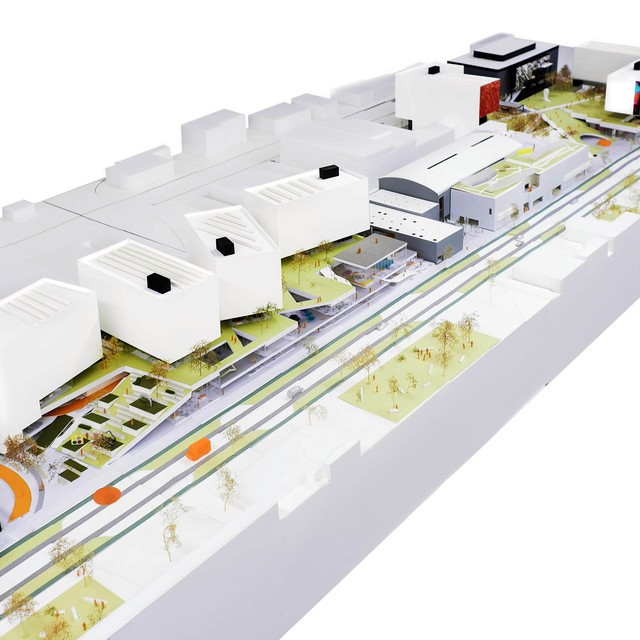
This project was undertaken during a collaborative semester with ArtCenter College of Design in Pasadena. The objective was to design a service-oriented mobility solution tailored to the needs of students while considering the broader urban landscape of Pasadena.
Adopting a systemic design perspective, the project explored a complete overhaul of Pasadena's urban infrastructure to enable safe and seamless passage between home and campus. A dedicated mobility device was central to the service, ensuring accessibility, sustainability, and convenience.
Workshops and interviews were conducted with a diverse group of stakeholders, including city council officials, students, teachers, and urban planners. Insights from these sessions informed the final solution, aligning it with both user needs and Pasadena's urban development goals.
The result was a comprehensive service proposal that integrates seamlessly into the school’s future plans, promoting safer, more sustainable mobility for its community.
Category - Transportation systems/service design/UX-UI
Client - ArtCenter College of Design
Year - 2022
The service
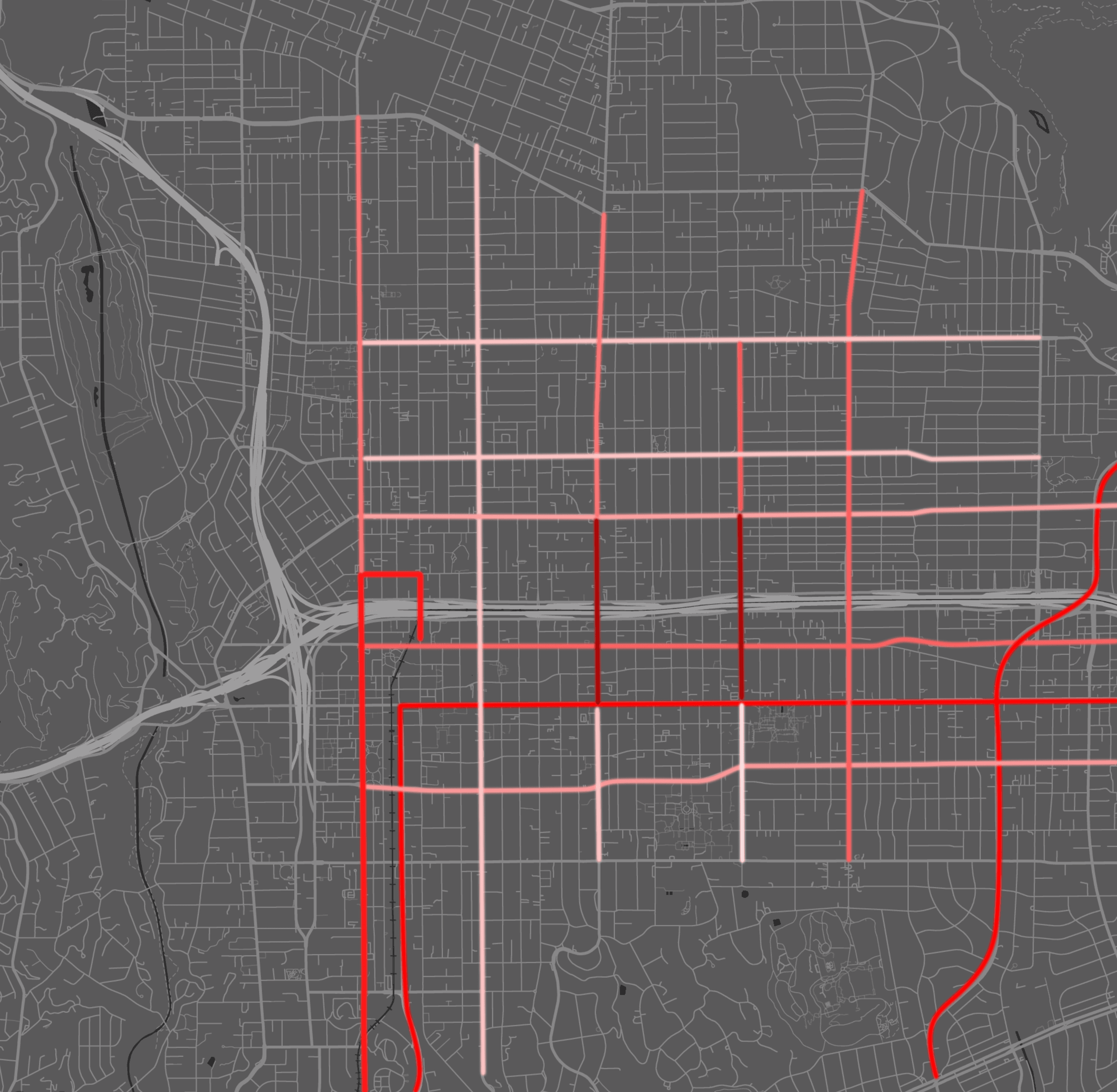
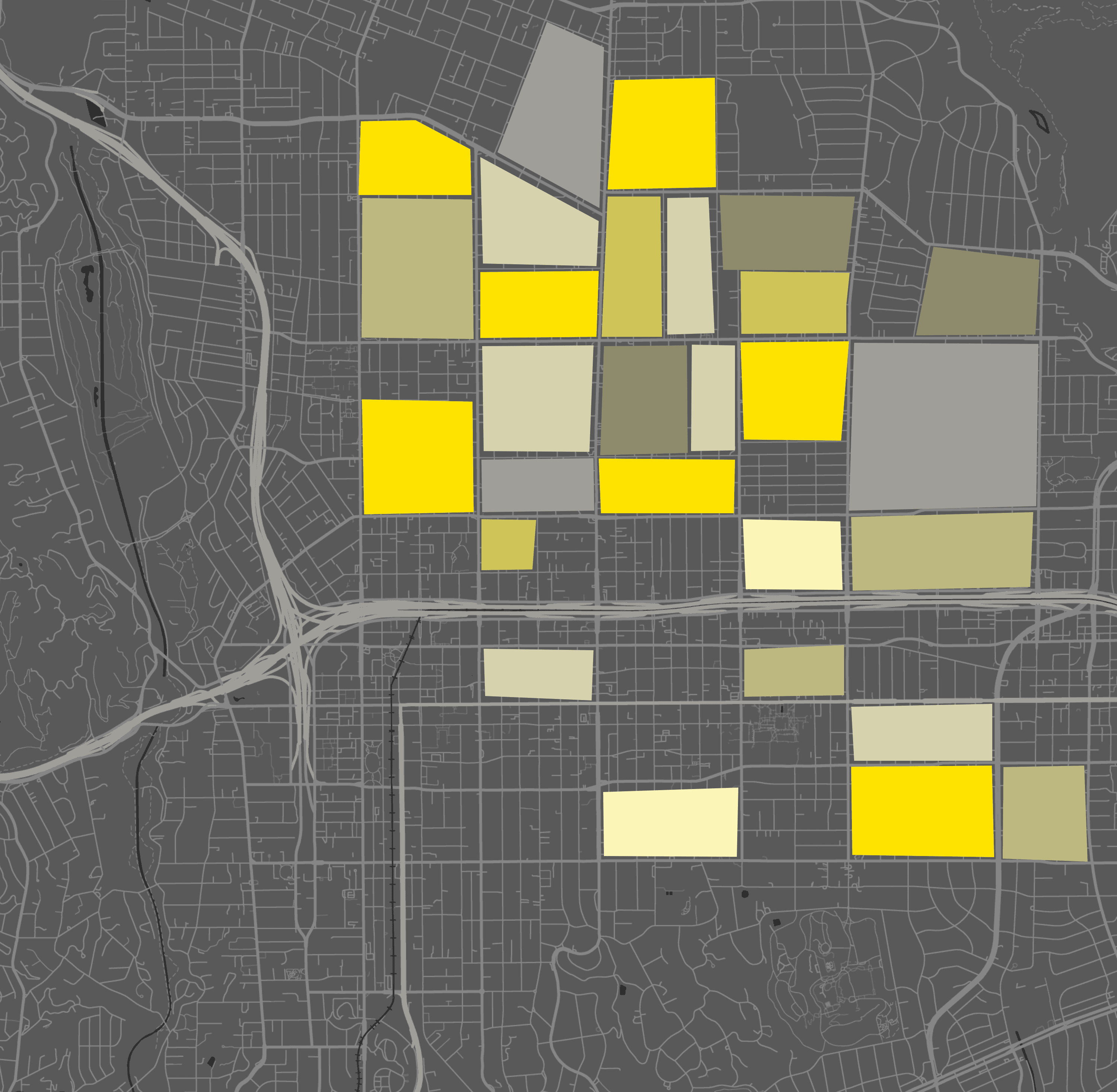
Through desk research, interviews, and workshops, I analyzed key factors influencing student mobility around campus. This research culminated in the creation of two pivotal maps.
These maps served as essential tools in guiding the proposed layout for the construction of dedicated lanes. These lanes were designed to be used exclusively by ArtCenter students, forming a core safety feature of the service. By addressing both traffic patterns and student living locations, the solution ensured practicality and increased safety for users.
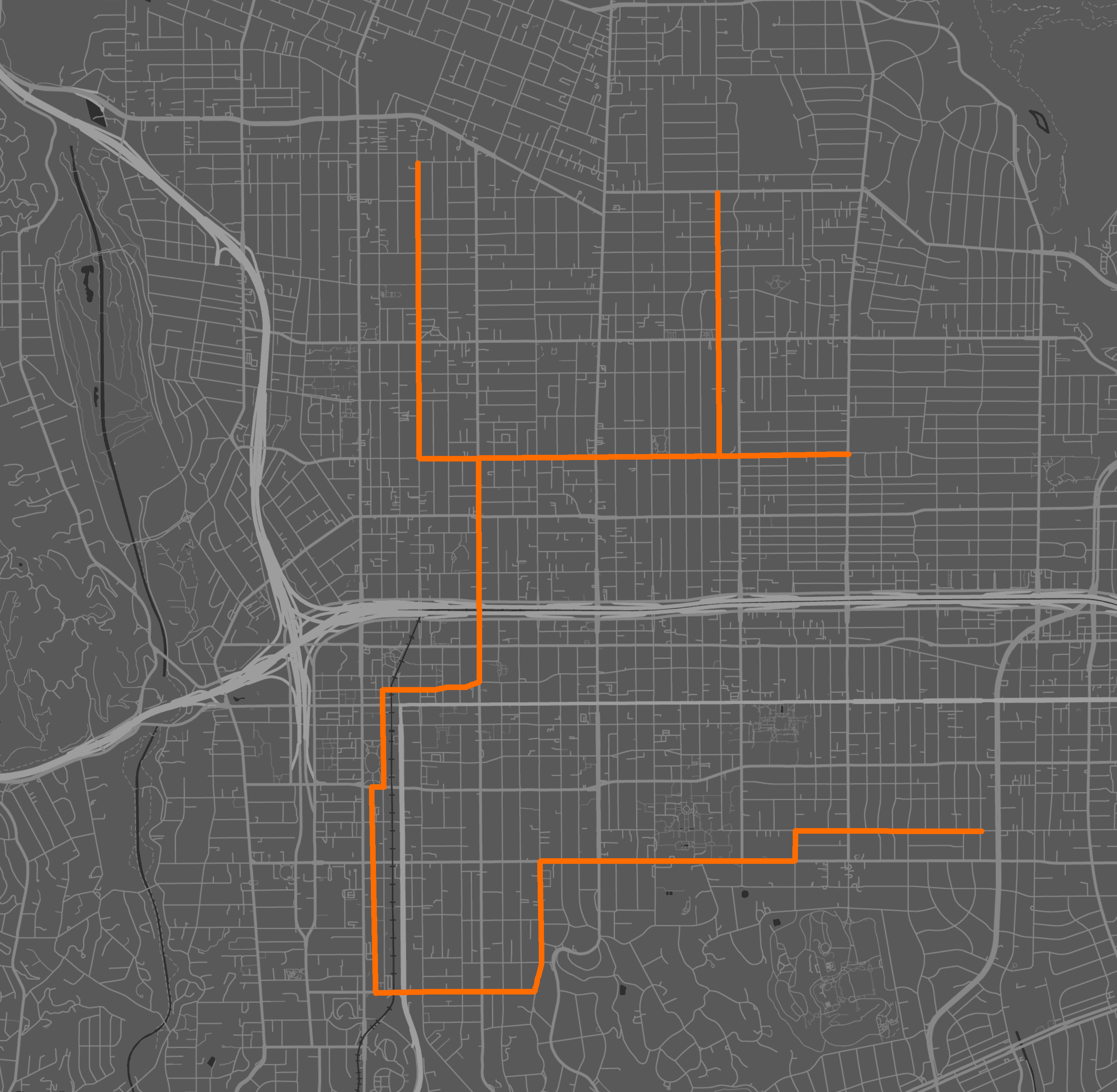
By analyzing the urban context—traffic patterns, student living locations, and access to public transport—and incorporating modifications to existing bike lanes, alleyways, and infrastructure, I developed a feasible proposal for the so-called "ArtCenter Lanes."
These dedicated lanes were designed to ensure safe and efficient travel to and from campus, seamlessly integrating with Pasadena’s urban fabric while prioritizing student safety and accessibility.
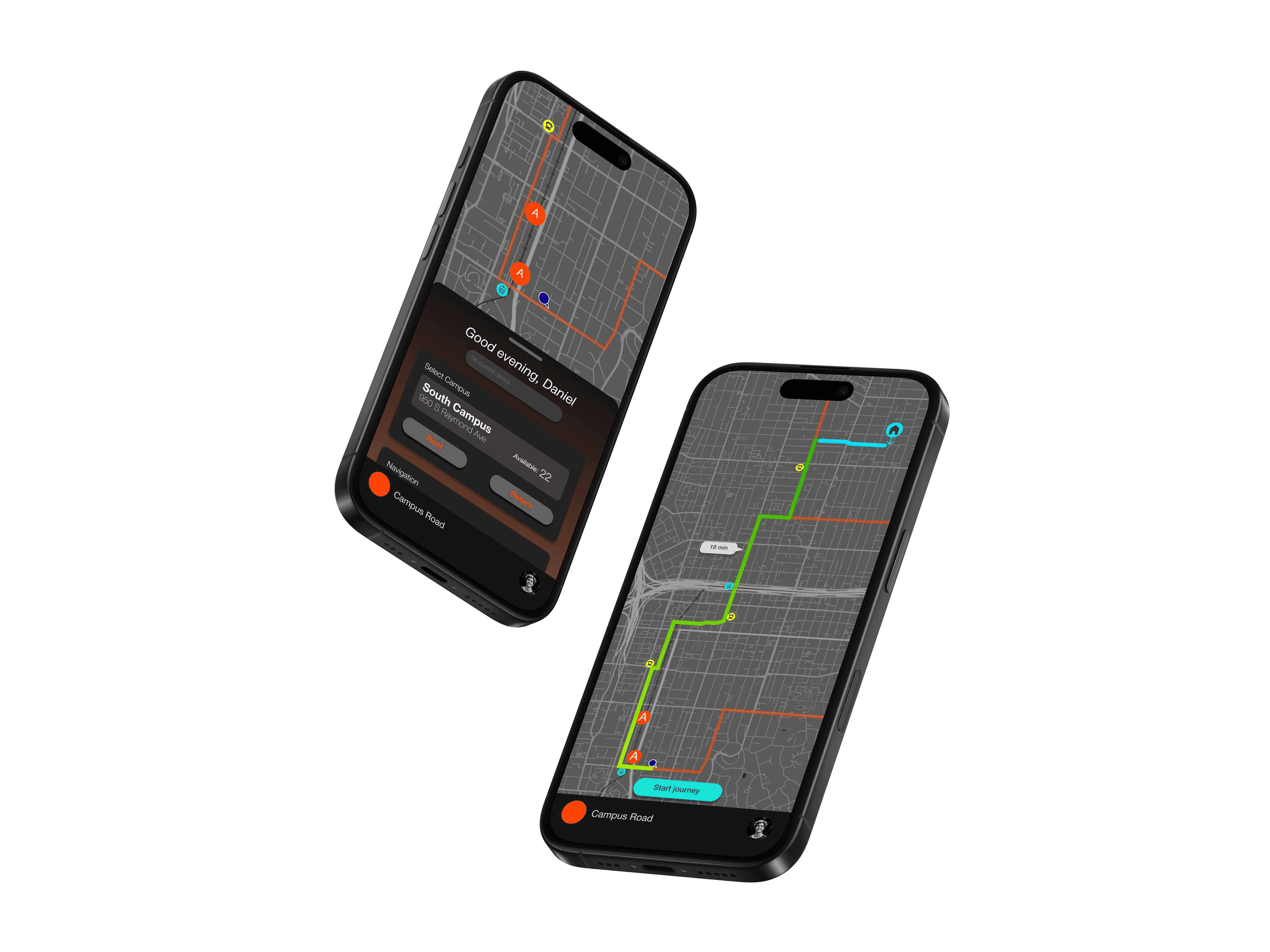
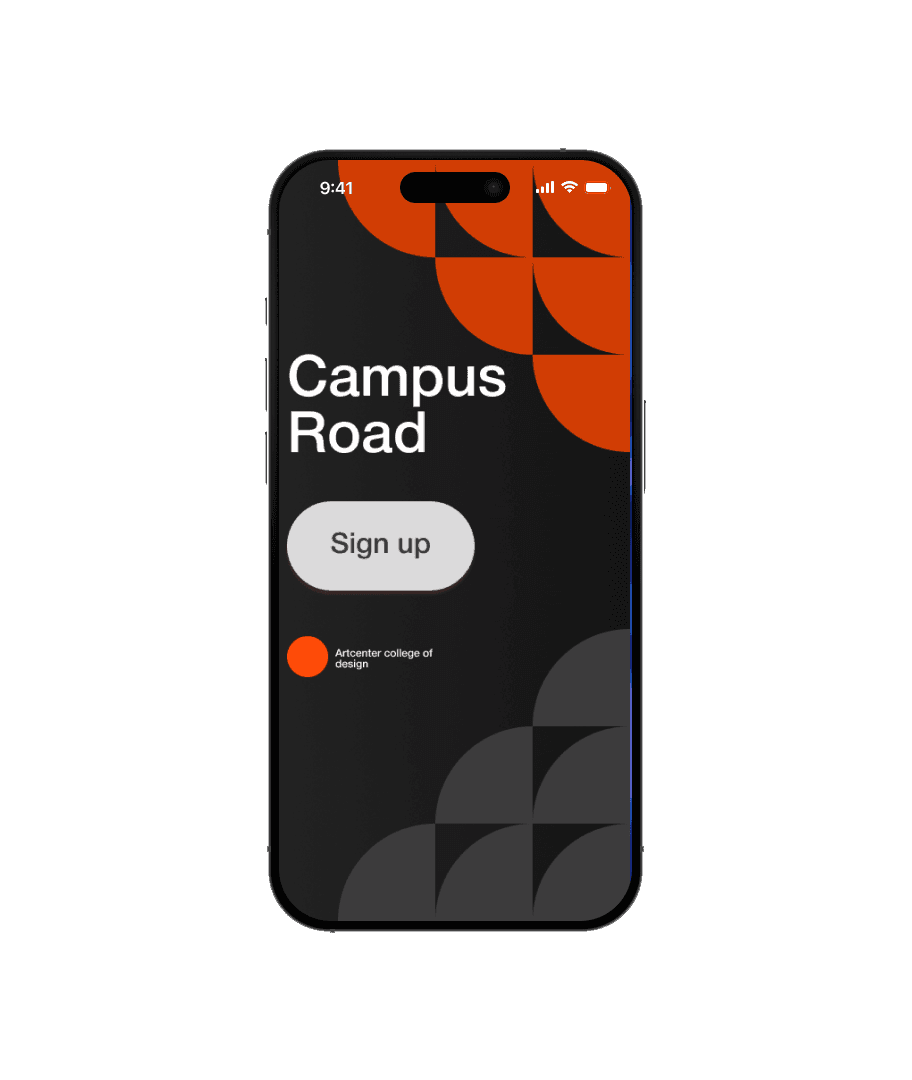
A mobility rental service designed specifically for students, with dedicated stations at key campus locations and an accompanying app for seamless booking and navigation
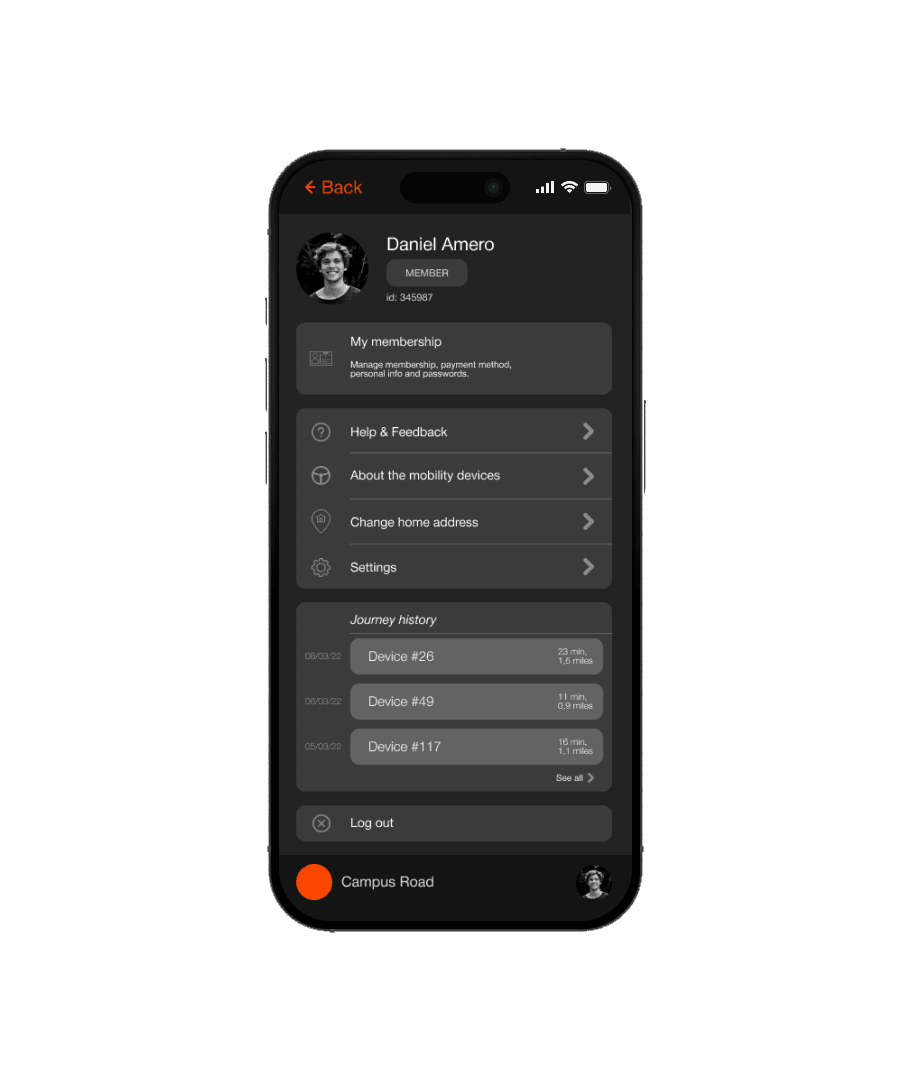
The app provides ArtCenter students with seamless access to rentable mobility scooters at designated campus locations. Students can use these scooters to travel home and conveniently return them upon arriving back at campus.
All charging and maintenance are handled on campus, ensuring a hassle-free experience for users, who can focus solely on their journey without worrying about upkeep. This system is designed to promote sustainable and efficient travel, tailored to the needs of the ArtCenter community.
The device
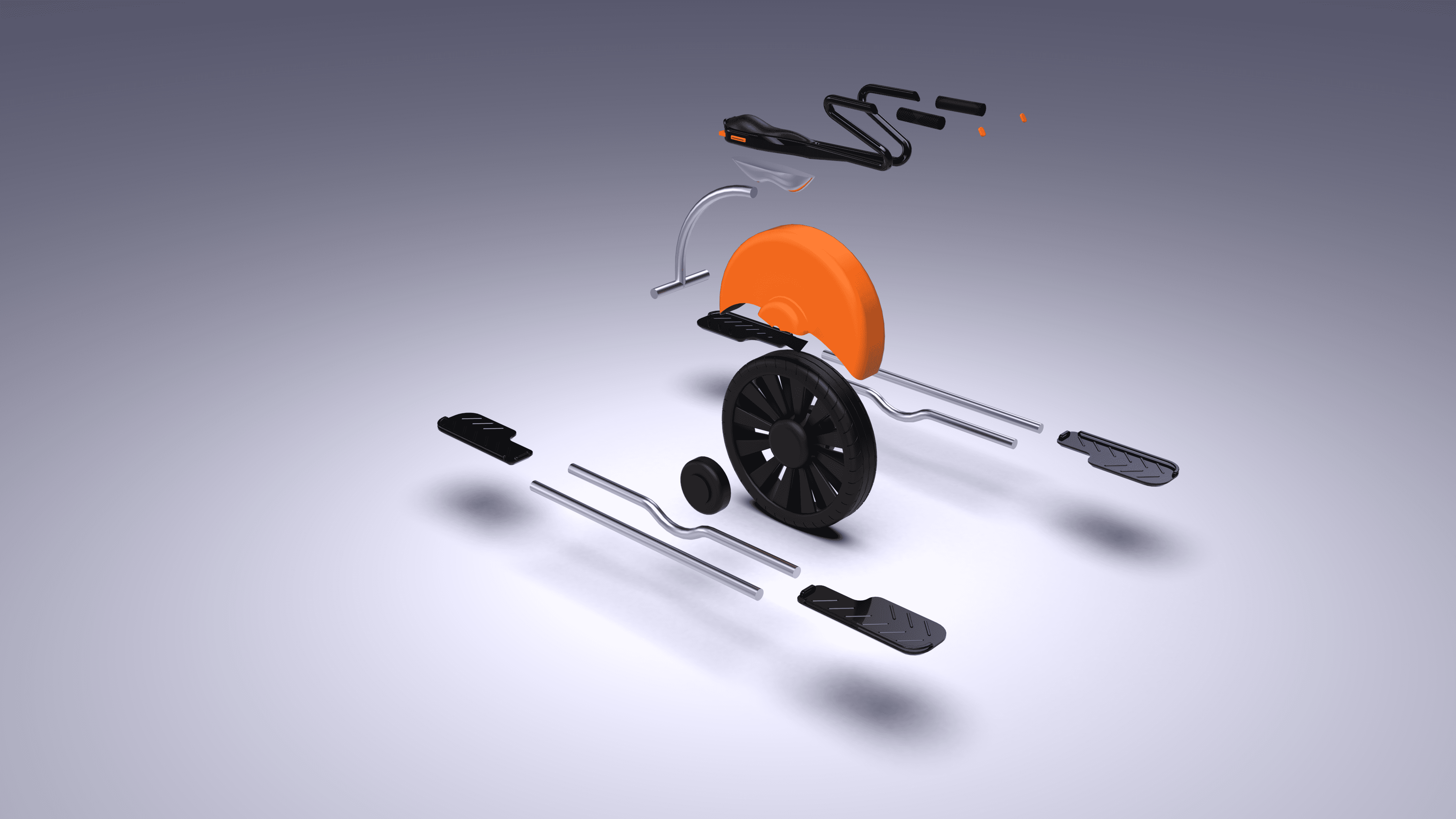
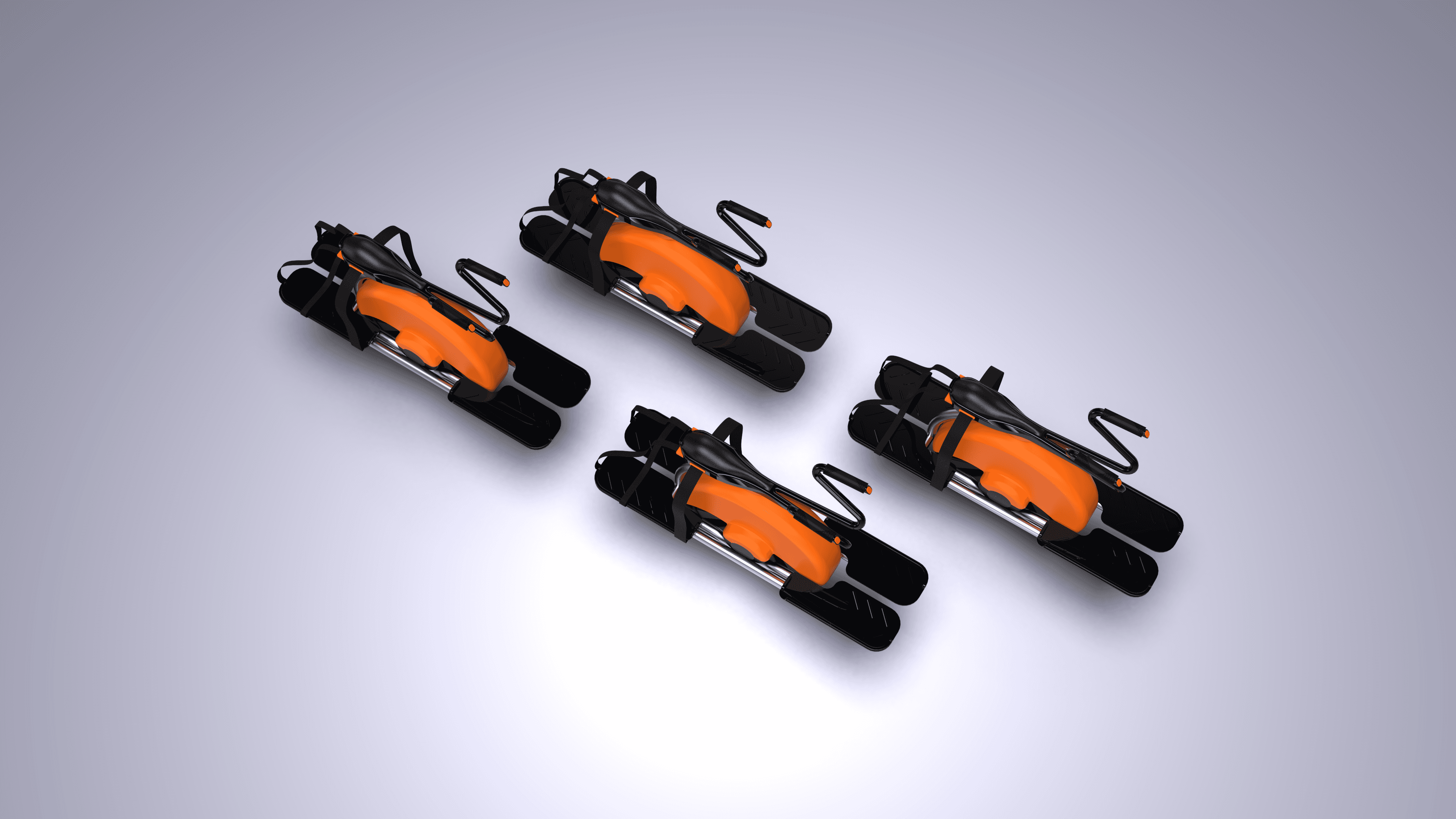
Providing a large mobility device for every student would have been impractical due to cost, material usage, and logistical challenges. Instead, I focused on creating a smaller and lighter device that minimized material use while maintaining a sense of security for the user. The larger urban changes—such as dedicated lanes that shield students from traffic—were key to enabling this approach. By prioritizing infrastructure that ensures safety, the design could balance practicality with user confidence, resulting in a mobility solution that felt secure and sustainable within the broader system.
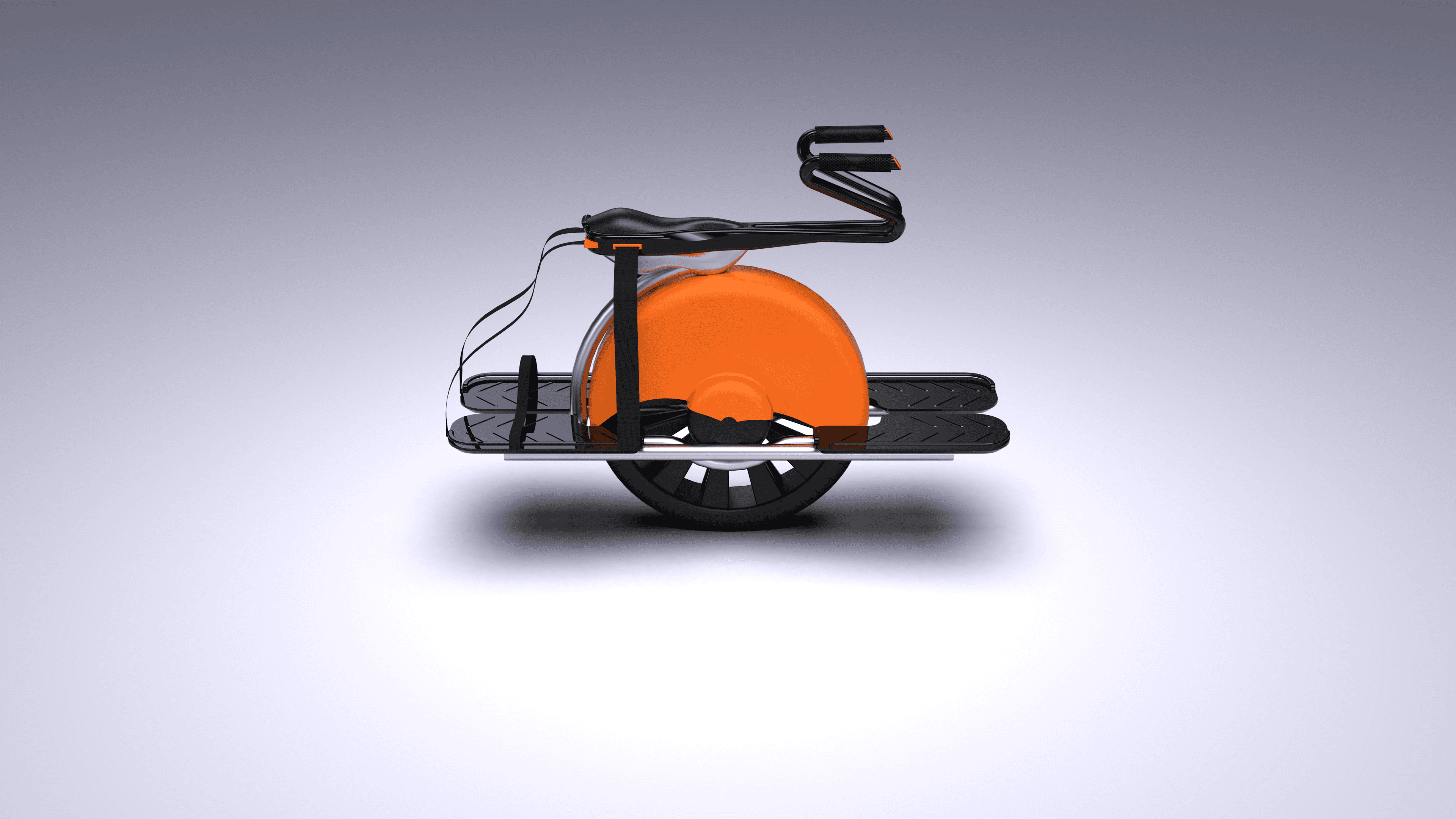
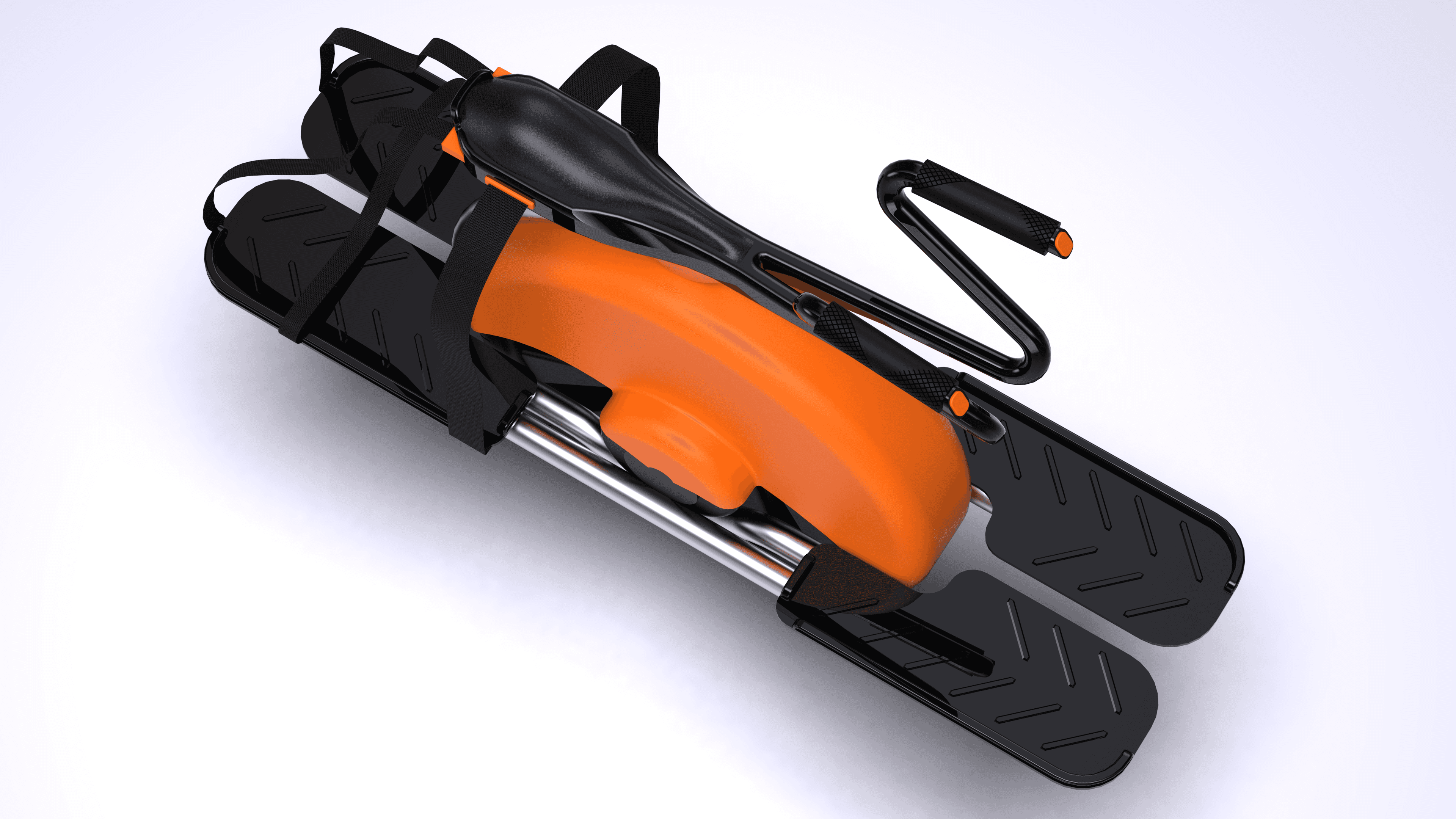
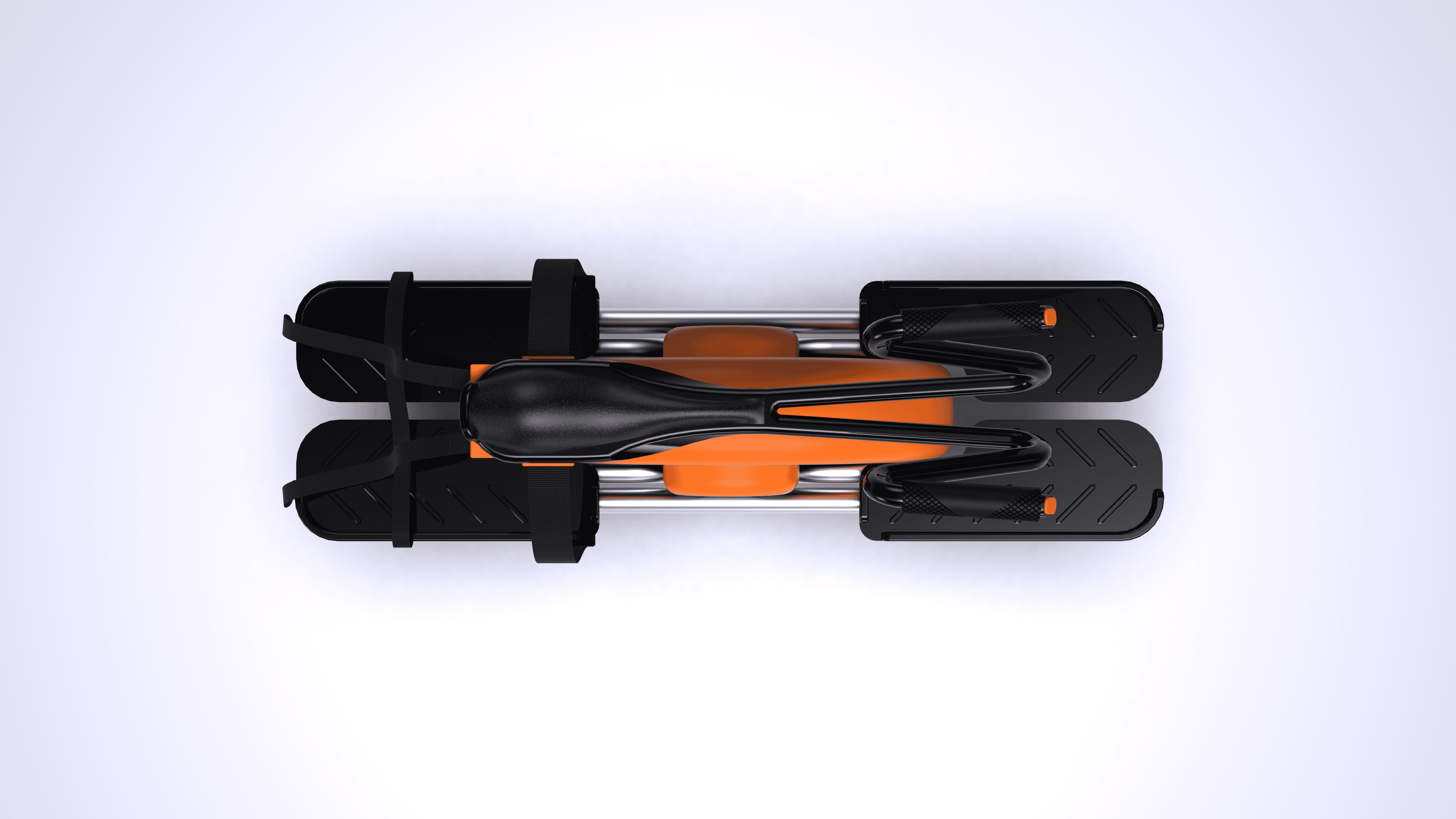
The mobility device was designed to be intuitive, lightweight, and practical for daily use. It incorporates a balance-steering mechanism, allowing for easy maneuverability, and includes a stable platform for users to rest their feet. Recognizing the needs of students who often carry backpacks or other baggage, the device is equipped with straps to securely hold belongings during transit. This thoughtful design not only enhances usability but also aligns with the project's focus on safety and minimal material usage, making it both user-friendly and sustainable.
Reflections
This project underscored the value of adopting a systemic approach to service design. By considering the broader urban context, infrastructure, and user needs, I was able to craft a solution with ambitious goals that align with the potential for real-world impact. Designing services in this way opens up opportunities to address complex challenges holistically, ensuring that the proposed solutions are not only practical but also scalable and transformative. It highlighted how service design, when integrated into larger systems, can contribute meaningfully to creating safer, more sustainable, and more accessible environments.
Research and insights
Traffic Intensity Map: Highlighting the most congested roads surrounding the campus, providing insights into areas with higher potential risks for student commuters.
Student Residence Map: Identifying where the majority of ArtCenter students live to pinpoint the most frequently traveled routes to campus.
The app leverages insights from extensive research on traffic patterns and safe road layouts to guide users along the safest routes home. It prioritizes the use of dedicated "ArtCenter Lanes" and transitions to safer paths for the final stretch of the journey.
Additionally, discussions explored the potential for integrating the app with the city's traffic light network. This integration could provide students with a safer, uninterrupted journey by synchronizing traffic signals along their route.
This project has been adopted by ArtCenter College of Design as part of their efforts to integrate innovative mobility solutions into their 2035 Future Master Plan. The school is exploring ways to bring this vision to life, aligning it with their long-term strategy for campus development and sustainable transportation.